
The Ultimate Guide to Trekking in Nepal on a Shoestring Budget
Nepal is one of the world's top destinations for backpackers and budget-conscious travelers. Home to eight of the world's fourteen highest peaks, this Himalayan paradise offers breathtaking trekking routes, rich cultural experiences, and thrilling adventures—all at a fraction of the cost of many other mountain destinations.
If you've always dreamed of trekking in the Himalayas without overspending, you're in luck. With careful planning, smart budgeting, and a few local tips, you can enjoy an unforgettable trekking adventure while keeping your expenses under control.
Trek with a Group
Traveling as part of a group is one of the most effective ways to reduce trekking costs. Group members can share transportation, accommodation, and guide expenses, making the trip significantly more affordable. Many trekking agencies also offer attractive group discounts for larger bookings.
Choose the Right Season
Timing can have a big impact on your budget. Trekking during the shoulder seasons or the off-season often means lower prices for flights, hotels, guides, and transportation. You'll also enjoy quieter trails and a more peaceful trekking experience while still experiencing beautiful mountain scenery.
Use Local Transportation
Instead of hiring private vehicles or taking expensive domestic flights whenever possible, consider using local buses or shared jeeps. These are considerably cheaper and offer an authentic glimpse into everyday life in Nepal while helping you reach most popular trekking starting points.
Eat Like a Local
Food is one of the biggest daily expenses during a trek. Choosing traditional Nepali meals, especially Dal Bhat (rice, lentil soup, vegetables, and curry), is both economical and nutritious. It provides the energy needed for long trekking days and is widely available in teahouses throughout Nepal. Other affordable options include chapati, vegetable curry, noodles, and fried rice.
Stay in Budget-Friendly Teahouses
Nepal's extensive network of family-run teahouses makes trekking remarkably affordable. These simple yet comfortable lodges provide clean accommodation and freshly prepared meals at reasonable prices, eliminating the need for expensive camping equipment or elaborate logistics.
Pack Smart
Bringing your own essential trekking gear, refillable water bottle, snacks, and personal items can save you money by reducing the need to purchase or rent equipment along the trail. Renting gear in Kathmandu is also much cheaper than renting it in trekking regions.
Hire Local Guides and Porters
Hiring licensed local guides and porters not only supports local communities but also provides excellent value for money. Their knowledge of the trails, local culture, and mountain conditions enhances both your safety and overall trekking experience.
Carry Enough Cash
Most trekking routes have limited or no access to ATMs. Carry sufficient Nepali Rupees to cover small daily expenses such as Wi-Fi, hot showers, charging electronic devices, drinking water, snacks, and tips for guides and porters.
With smart planning, flexible travel dates, and budget-friendly choices, trekking in Nepal can be an incredible adventure that doesn't require a large budget. From spectacular Himalayan landscapes and welcoming mountain villages to unforgettable cultural experiences, Nepal offers some of the best value trekking experiences anywhere in the world.
What Does Trek Difficulty Mean in Nepal?
Trek difficulty in Nepal is determined by several factors—not just the distance you walk. It is a combination of altitude, daily trekking hours, elevation gain, trail conditions, weather, and the overall duration of the trek.
Many first-time trekkers assume that a 10-kilometer walk is the same everywhere. In reality, trekking 10 kilometers at sea level is very different from trekking the same distance at 4,000 meters (13,123 ft). At higher elevations, the air contains less oxygen, your body works harder, and even gentle climbs can feel physically demanding.
Altitude
Altitude is the most significant factor affecting trek difficulty. As you ascend, oxygen levels decrease, making breathing more challenging and increasing the risk of altitude sickness. Your walking pace naturally slows, and your body requires more frequent breaks and proper acclimatization.
Daily Elevation Gain
The amount of elevation you gain each day also plays a crucial role. Climbing 1,000 meters in a single day is far more demanding than reaching the same altitude gradually over several days. Well-planned itineraries with acclimatization days help reduce fatigue and improve safety.
Trail Conditions
Nepal's trekking trails vary greatly. Some routes feature well-maintained forest paths and stone-paved walkways, while others include steep staircases, rocky terrain, loose gravel, river crossings, and narrow mountain ridges. These varying trail conditions directly influence the overall trekking experience.
Trek Duration
Longer treks require greater physical endurance and mental resilience. Consecutive days of hiking, combined with increasing altitude and changing weather conditions, make multi-day treks more challenging than shorter adventures.
When these factors come together, trek difficulty becomes much more than the distance covered—it's a combination of physical endurance, altitude adaptation, and mental determination.
Nepal Trek Difficulty Scale: From Beginner to Expert
Nepal offers trekking routes for every experience level, from easy scenic hikes to demanding high-altitude expeditions. The following difficulty scale provides a realistic overview of what to expect on the trail.
Beginner Treks
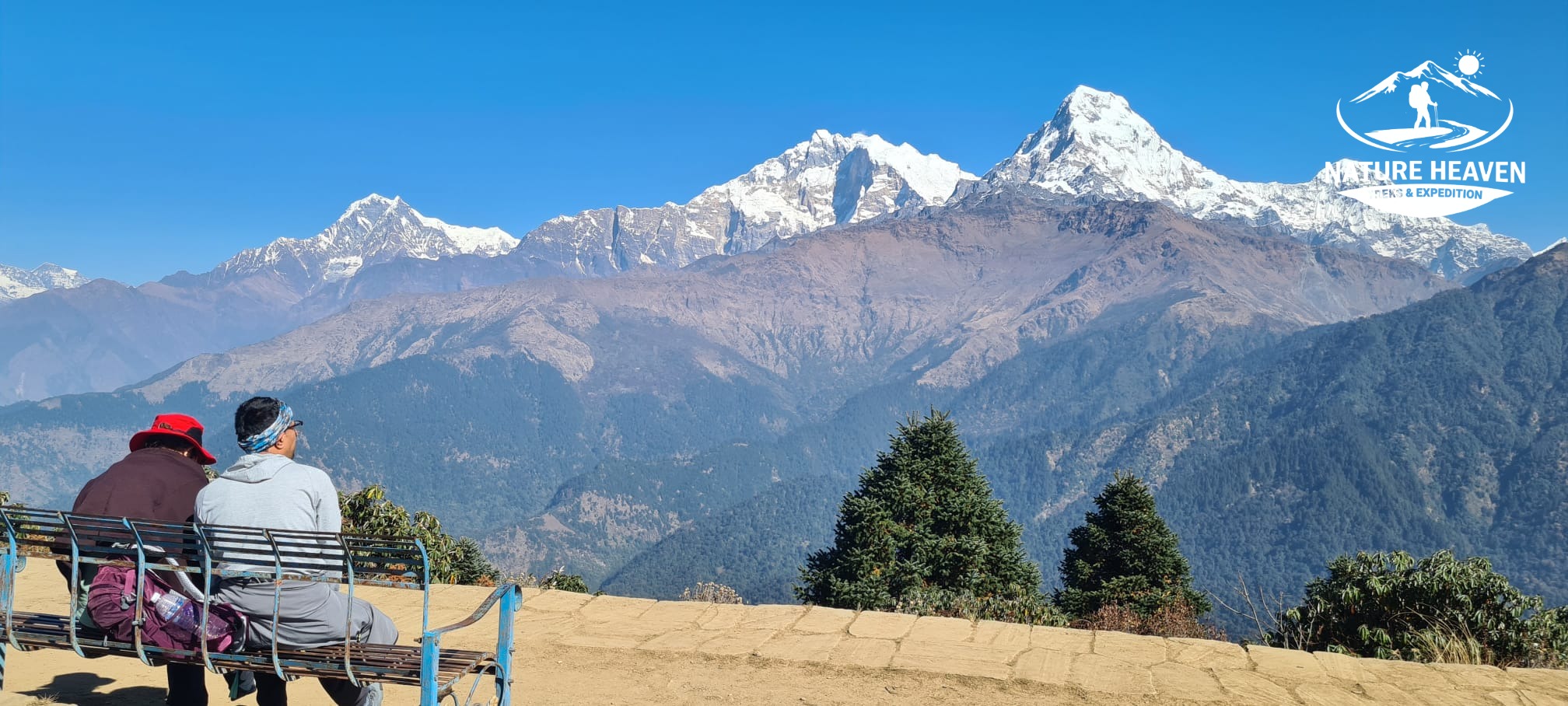
Beginner treks generally remain below 3,000 meters (9,843 ft) and feature shorter walking days, gentle elevation gain, and well-established trails.
These treks are ideal for first-time trekkers, families, and travelers with a basic level of fitness. The lower altitude minimizes the risk of altitude sickness while allowing you to enjoy Nepal's stunning mountain scenery.
You can expect to walk 4–6 hours per day through charming villages, lush forests, terraced farmlands, and scenic viewpoints.
Popular beginner treks include:
Australian Camp Trek
Dhampus Trek
Mardi Himal Lower Route
These treks are physically rewarding without being overly strenuous, making them perfect for newcomers to Himalayan trekking.
Moderate Treks
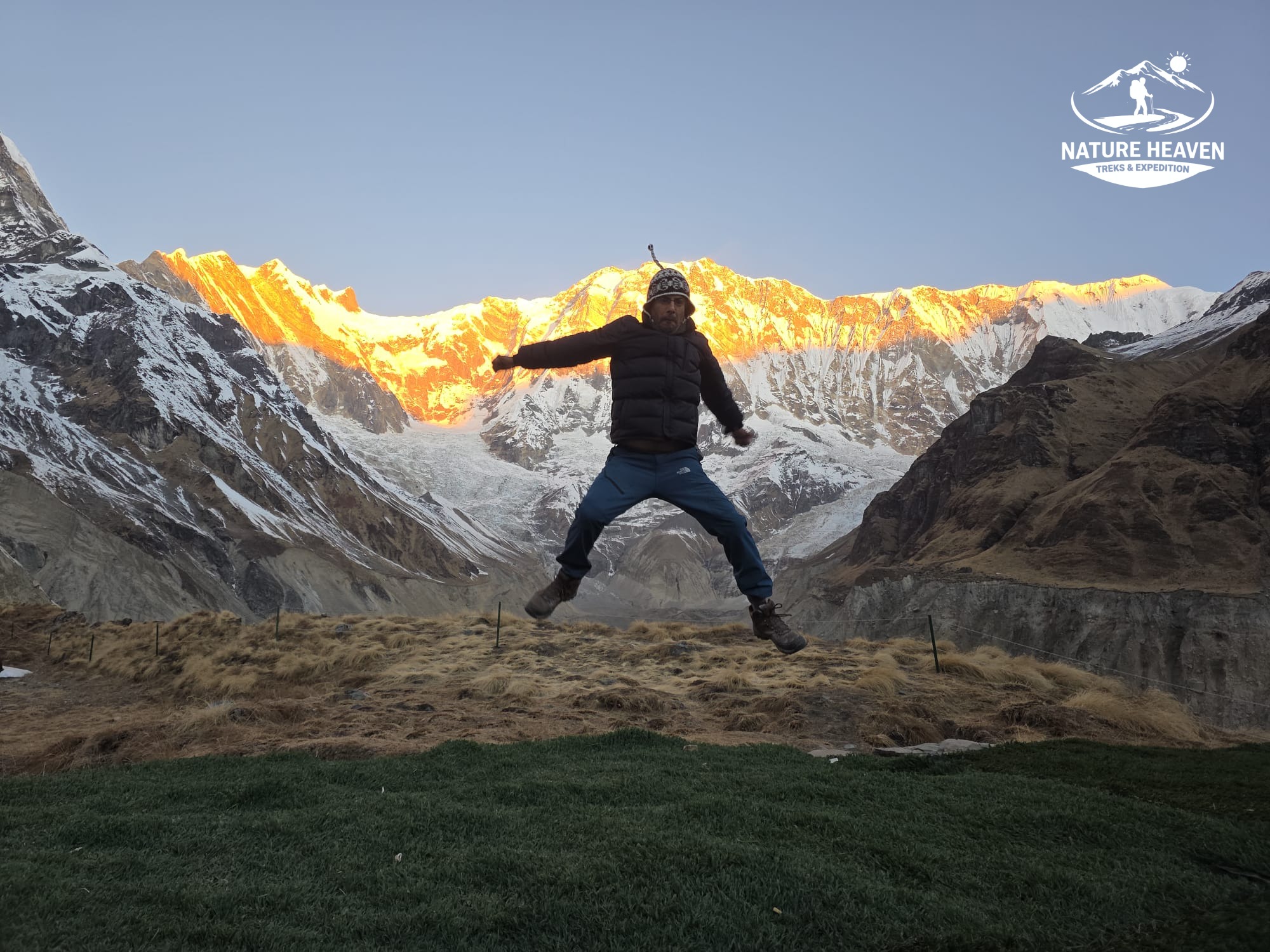
Moderate treks reach elevations of approximately 4,000 meters (13,123 ft) and involve longer hiking days with steeper ascents and greater elevation gain.
At this level, you may begin to notice the effects of altitude, especially during uphill sections. Proper pacing, hydration, and rest become increasingly important.
Daily walking typically ranges from 5–7 hours, with trails passing through forests, alpine meadows, traditional villages, and high mountain landscapes.
Popular moderate treks include:
Langtang Valley Trek
Mardi Himal Trek
Khopra Ridge Trek
Trekkers with good physical fitness can comfortably complete these routes with adequate preparation.
Challenging Treks
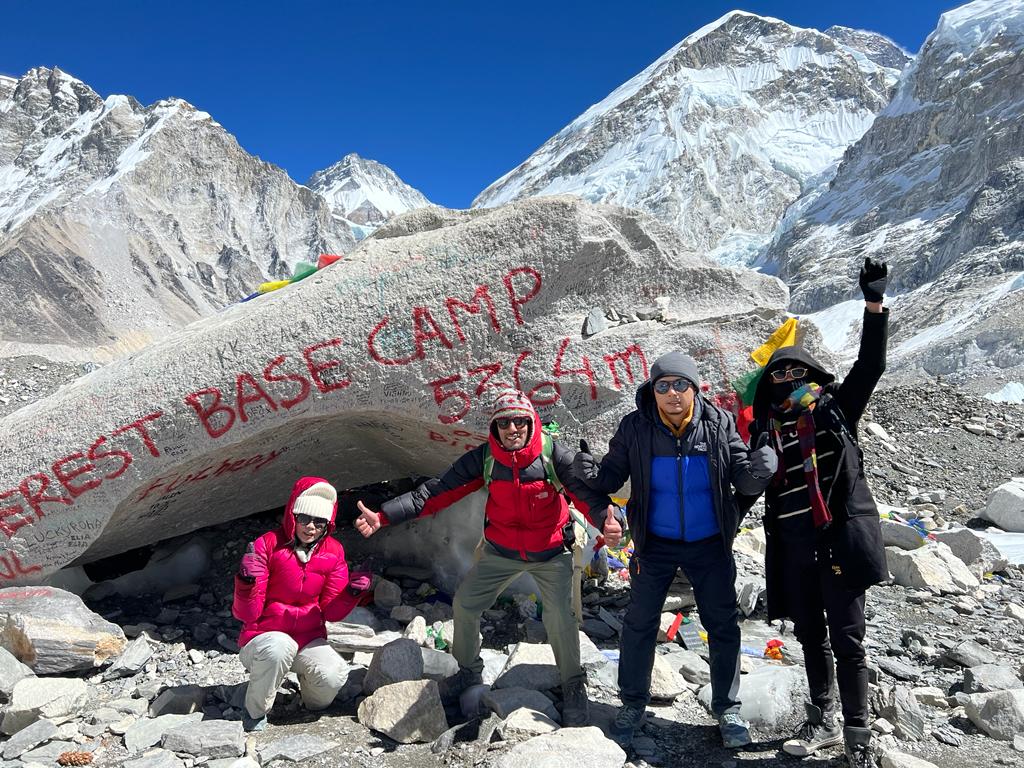
Challenging treks usually exceed 4,500 meters (14,764 ft) and require sustained physical effort over multiple days across varied terrain.
At these elevations, altitude becomes a constant factor. Even moderate climbs can feel exhausting, making acclimatization days essential to reduce the risk of altitude sickness.
Expect to trek 6–8 hours per day on steep trails, rocky paths, glacier moraines, and exposed mountain terrain.
Popular challenging treks include:
Everest Base Camp Trek
Annapurna Circuit Trek
Gokyo Lakes Trek
These treks demand good cardiovascular fitness, mental resilience, and a well-planned itinerary that prioritizes safe acclimatization.
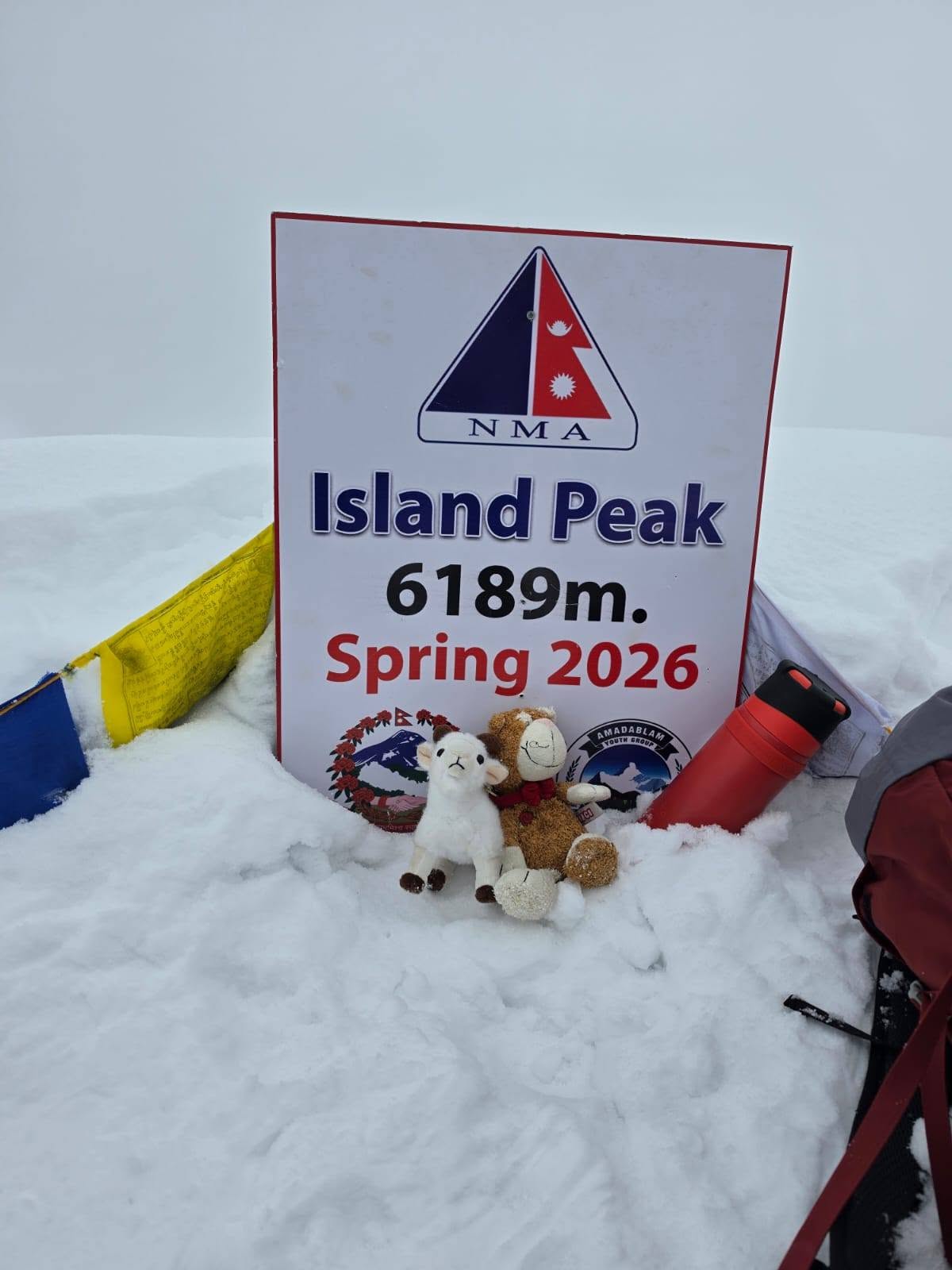
Expert Treks
Expert-level treks take you into some of Nepal's most remote and rugged regions, often crossing high mountain passes above 5,000 meters (16,404 ft).
These demanding adventures involve long trekking days, unpredictable mountain weather, limited facilities, and technical terrain. Multiple high passes, remote villages, and challenging conditions require both physical endurance and previous high-altitude trekking experience.
Upper Dolpo Trek
Kanchenjunga Circuit Trek
Dhaulagiri Circuit Trek
These treks are designed for experienced trekkers who are comfortable navigating remote environments, adapting to changing conditions, and maintaining endurance over extended periods. Success depends not only on physical fitness but also on careful planning, proper acclimatization, and sound decision-making throughout the journey.
Essential Costs to Budget for on a Nepal Trek
Planning your trekking budget in Nepal is easy when you understand the main expenses involved. The essential costs typically include a licensed trekking guide, trekking permits, travel insurance, accommodation, meals, transportation, and a small budget for miscellaneous trail expenses. Choosing budget teahouses, eating local meals, and using public transportation can significantly reduce your overall trekking costs.
Licensed Trekking Guide
Most trekking routes in Nepal require trekkers to be accompanied by a licensed guide. Guide fees generally range from USD 30 to USD 60 per day, depending on the trekking region, season, and the guide's experience.
Trekking Permits
Most trekking routes require the appropriate trekking permits and entry fees for national parks or conservation areas. While permit requirements vary by region, they commonly include conservation area or national park permits, and some restricted areas require special permits. Be sure to check the specific permit requirements for your chosen trek before your journey.
Travel Insurance
Comprehensive travel insurance is highly recommended for all trekkers. Your policy should cover high-altitude trekking, emergency medical treatment, and, ideally, helicopter evacuation, which can be lifesaving in remote mountain regions.
Accommodation
Budget travelers can stay in affordable hostels in Kathmandu and Pokhara before and after their trek. Along the trekking routes, family-run teahouses provide clean, comfortable, and budget-friendly accommodation, making trekking in Nepal accessible to travelers of all budgets.
Food
Local meals are both delicious and affordable. Dal Bhat (steamed rice, lentil soup, vegetables, and curry) is the most popular choice among trekkers because it is nutritious, filling, and often comes with unlimited refills in many teahouses. Other inexpensive options include chapati, vegetable curry, noodles, fried rice, and seasonal local dishes.
Transportation
Using public buses or shared jeeps is the most economical way to reach many trekking starting points. Although private vehicles are more comfortable and convenient, public transportation can help reduce your overall travel expenses considerably.
Miscellaneous Expenses
It's a good idea to carry some extra cash for small but common trail expenses, including:
Wi-Fi access
Charging electronic devices
Hot showers
Drinking water
Snacks and beverages
Tips for guides and porters
Souvenirs or small personal purchases
.
Why Is Nepal Considered a Budget-Friendly Trekking Destination?
In 2017, Lonely Planet ranked Nepal among the Top 5 Best Value Destinations in the World, recognizing the country as an affordable destination where travelers can experience breathtaking Himalayan landscapes, rich cultural heritage, and unforgettable adventures without spending a fortune.
Here are the key reasons why Nepal is one of the world's most budget-friendly trekking destinations:
Low Cost of Living
Nepal's cost of living is considerably lower than that of many other trekking destinations around the world. Accommodation, local transportation, food, and daily expenses are all reasonably priced, allowing trekkers to enjoy longer adventures on a modest budget.
Extensive Teahouse Network
Most popular trekking routes are lined with family-run teahouses that offer clean, comfortable accommodation and freshly prepared meals at affordable prices. This well-established teahouse system eliminates the need for expensive camping equipment, guides to carry cooking supplies, or additional logistical costs.
Affordable Local Cuisine
Trekkers can enjoy a variety of authentic Nepali dishes and international meals at reasonable prices throughout the trekking routes. Freshly prepared local food served in teahouses not only enhances the trekking experience but also helps keep overall travel costs low.
Excellent Value for Money
From spectacular mountain views and diverse landscapes to warm hospitality and unique cultural experiences, Nepal offers exceptional value for every traveler. Whether you're a backpacker or an adventure enthusiast, you can experience a world-class Himalayan trek without the high costs associated with many other mountain destinations.
Benefits of Budget Trekking in Nepal
Budget trekking allows you to experience the breathtaking beauty of the Himalayas without stretching your finances. Beyond saving money, it offers a more authentic travel experience by connecting you with local communities, supporting mountain livelihoods, and making Nepal's world-famous trekking routes accessible to travelers of all budgets.
Affordable Himalayan Adventure
Budget trekking makes it possible to explore some of Nepal's most iconic destinations, including the Everest, Annapurna, Langtang, and Manaslu regions, without spending a fortune. With affordable accommodation, local transportation, and reasonably priced meals, you can enjoy a memorable Himalayan adventure at a fraction of the cost of many other mountain destinations.
Authentic Cultural Experience
Staying in family-run teahouses and dining with local hosts offers a unique opportunity to experience Nepal's rich culture and warm hospitality. You'll meet people from diverse ethnic communities, learn about traditional mountain lifestyles, and enjoy genuine cultural interactions that go far beyond typical sightseeing.
Accessible for Every Traveler
Whether you're a student, backpacker, solo traveler, couple, or family, Nepal offers trekking options to suit nearly every budget. A wide range of affordable routes, accommodations, and transportation choices make Himalayan trekking accessible to both first-time visitors and experienced adventurers.
Supports Local Communities
Choosing budget-friendly local services directly benefits the people who live in Nepal's mountain regions. By staying in locally owned teahouses, hiring licensed local guides and porters, and purchasing meals and supplies from village businesses, you help create sustainable income and support the local economy.
Simple Yet Rewarding Travel
Budget trekking encourages a simpler way of traveling, where the focus is on nature, adventure, and meaningful experiences rather than luxury. Walking through spectacular mountain landscapes, sharing meals with fellow trekkers, and enjoying the peaceful rhythm of life in the Himalayas often become the most memorable parts of the journey.
Budget trekking proves that you don't need a large budget to experience the magic of Nepal. With thoughtful planning and smart choices, you can enjoy world-class trekking, breathtaking scenery, and unforgettable cultural experiences while keeping your travel costs affordable.
Budget-Friendly Treks in Nepal
Nepal is home to many spectacular trekking routes that offer incredible Himalayan scenery without requiring a large budget. Thanks to affordable teahouse accommodation, local transportation, and reasonably priced meals, you can enjoy an unforgettable trekking experience while keeping your travel expenses low.
Whether you're a first-time trekker or an experienced adventurer, these budget-friendly treks combine breathtaking mountain views, rich cultural encounters, and excellent value for money.
Ghorepani Poon Hill Trek
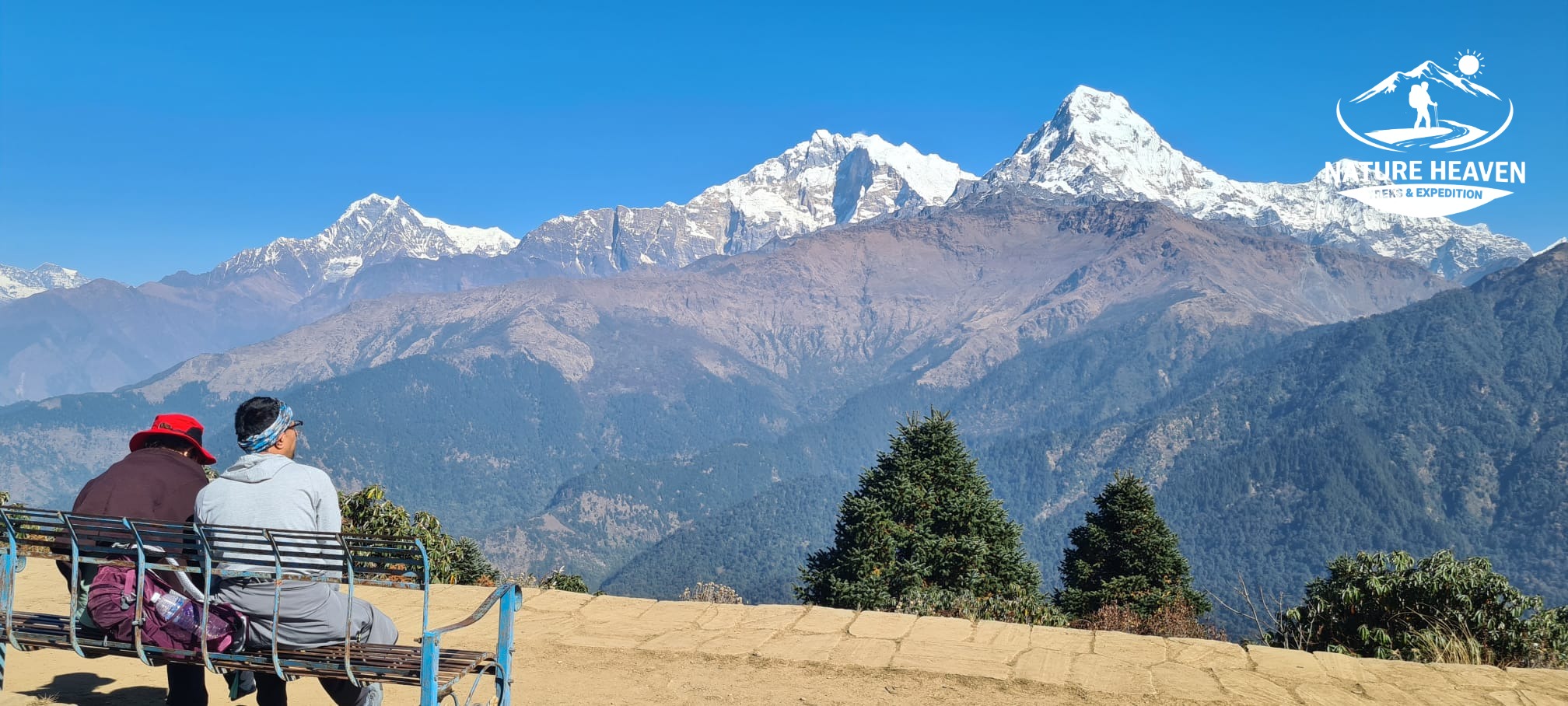 Annapurna Base Camp Trek: Journey through Himalayan villages, forests, and stunning mountain views.
The Ghorepani Poon Hill Trek is one of Nepal's most popular short treks, making it ideal for beginners and budget travelers. Lasting 4–5 days, the trek passes through rhododendron forests, traditional Gurung and Magar villages, and culminates at Poon Hill (3,210 m), renowned for its spectacular sunrise views over the Annapurna and Dhaulagiri mountain ranges. Affordable teahouses and easy accessibility make this trek an excellent choice for travelers seeking maximum scenery with minimal cost.
Langtang Valley Trek
Located north of Kathmandu, the Langtang Valley Trek offers one of Nepal's best-value trekking experiences. The journey takes you through lush forests, alpine meadows, Buddhist monasteries, and welcoming Tamang villages before reaching the breathtaking Langtang Valley. Lasting 7–10 days, this trek combines stunning mountain landscapes with rich cultural experiences while remaining more affordable than many of Nepal's longer high-altitude treks.
Mardi Himal Trek
The Mardi Himal Trek is a hidden gem in the Annapurna region, offering spectacular views of Machhapuchhre (Fishtail Mountain), Annapurna South, and Hiunchuli. Typically completed in 5–7 days, the trek follows peaceful forest trails and scenic ridgelines with fewer crowds than neighboring routes. Budget-friendly teahouses, moderate trekking distances, and impressive mountain panoramas make it an excellent choice for travelers seeking a quieter Himalayan adventure.
Everest Panorama Trek
The Everest Panorama Trek provides an opportunity to experience the beauty of the Everest region without committing to the full Everest Base Camp journey. Over 7–9 days, you'll visit famous Sherpa villages such as Namche Bazaar and Tengboche while enjoying magnificent views of Mount Everest, Lhotse, Ama Dablam, and other Himalayan peaks. Although flights to Lukla increase transportation costs, the shorter itinerary helps keep the overall trek more affordable than longer Everest expeditions.
How to Enter Nepal
Nepal can be reached by air or overland, making it easily accessible from many parts of Asia and beyond. The primary gateway is Tribhuvan International Airport (TIA) in Kathmandu, the country's busiest international airport. Nepal has direct flights connecting Kathmandu with several major cities, including Delhi, Mumbai, Dubai, Sharjah, Doha, Kuwait, Kuala Lumpur, Singapore, Dhaka, Colombo, Guangzhou, Chengdu, Lhasa, and Dammam, allowing travelers to reach Nepal conveniently from Asia and the Middle East.
Travelers can also enter Nepal by land through its borders with India and China (Tibet). The main border crossings from India include Kakarvitta, Birgunj, Belahiya (Bhairahawa), Nepalgunj, Dhangadhi, and Mahendranagar, while the primary entry points from China are Rasuwagadhi (Timure) and Kodari, subject to border operations and travel regulations.
Most foreign nationals are eligible to obtain a Visa on Arrival at Tribhuvan International Airport and at most designated land border checkpoints. To save time upon arrival, travelers are encouraged to complete the online visa application before their trip and ensure they meet the latest visa requirements. Before traveling, it is always advisable to check the most up-to-date immigration policies and border status with the Department of Immigration Nepal or your nearest Nepali embassy or consulate.
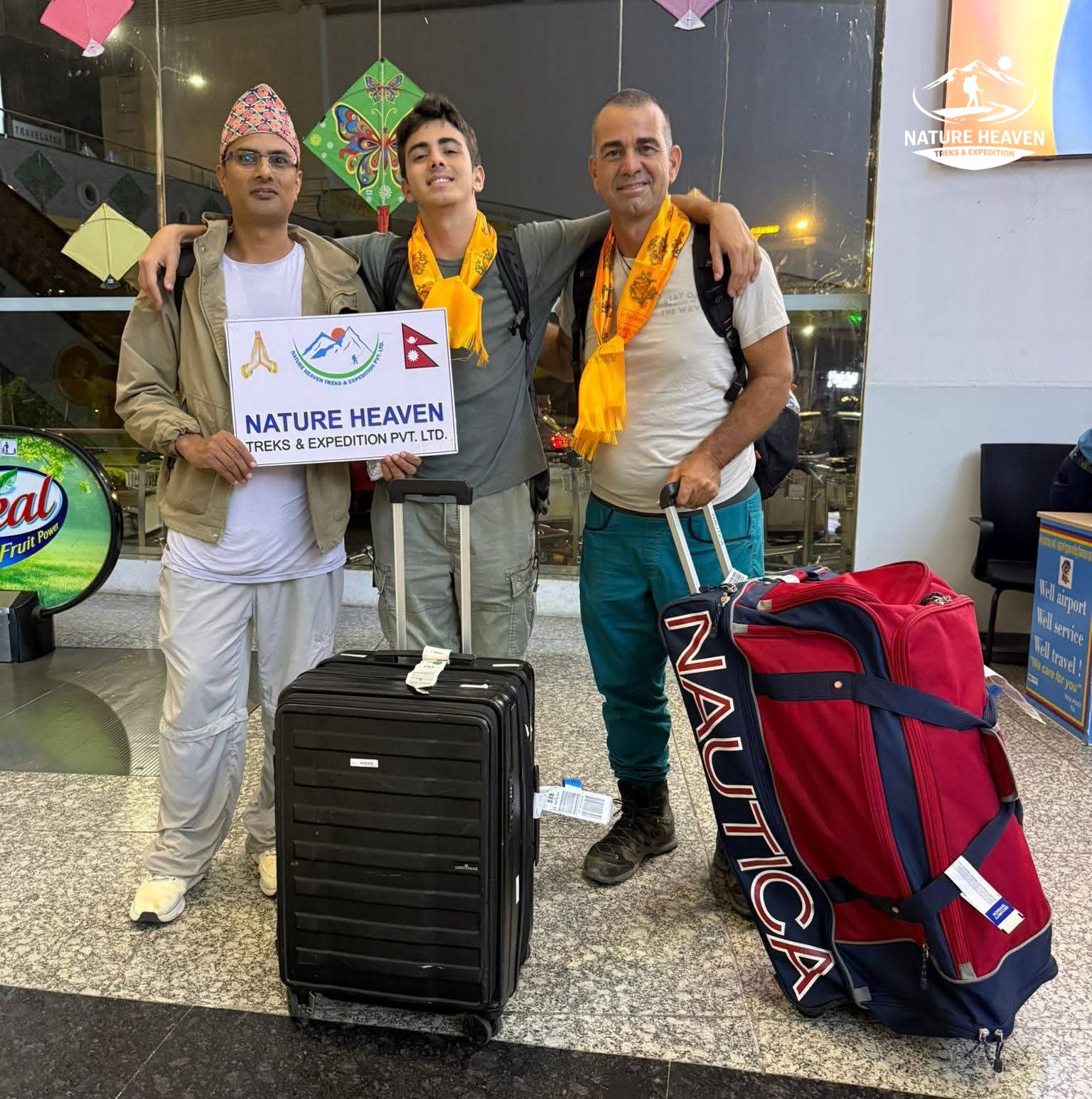 Welcome to Nepal with Nature Heaven Treks & Expedition – your trusted partner for unforgettable Himalayan adventures, trekking & tours today!
Nepal Tourist Visa
The cost of a Nepal tourist visa depends on the length of your stay. For most foreign nationals, the standard tourist visa fees are USD 30 for 15 days, USD 50 for 30 days, and USD 125 for 90 days. These visas are generally issued as multiple-entry visas, allowing travelers to leave and re-enter Nepal during the validity period.
Duration of Stay | Visa Fee |
15 days (multiple entry) | USD 30 |
30 days (multiple entry) | USD 50 |
90 days (multiple entry) | USD 125 |
Visa fees can be paid upon arrival at Tribhuvan International Airport in Kathmandu or at designated land border entry points. Payment is usually accepted in cash only, and carrying U.S. dollars is strongly recommended to avoid exchange-rate complications. Some entry points may also accept other major currencies, such as euros or British pounds, but credit and debit cards are generally not accepted for visa-on-arrival payments.
Certain nationalities may qualify for a gratis (free) visa. This includes citizens of SAARC countries (except Afghanistan) and China, subject to specific conditions and limitations. Because visa regulations can change, travelers should verify the latest requirements with the Department of Immigration Nepal or the nearest Nepalese embassy or consulate before traveling.
Final Note
Nepal is one of the world's best destinations for budget trekking, offering spectacular Himalayan landscapes, diverse cultures, and unforgettable adventures at an affordable price. With its low cost of living, extensive network of family-run teahouses, and reasonably priced local transportation and meals, Nepal makes it possible for travelers to experience world-class trekking without a large budget.
Whether you're planning your first Himalayan trek or returning to explore a new trail, budget trekking in Nepal allows you to immerse yourself in breathtaking mountain scenery while supporting local communities and enjoying authentic cultural experiences. From the iconic Everest and Annapurna regions to the peaceful valleys of Langtang and Mardi Himal, there's a trekking adventure to suit every budget and experience level.
Nature Heaven Treks & Expedition, we believe that every traveler should have the opportunity to experience the magic of the Himalayas. Our experienced local team is committed to providing safe, affordable, and personalized trekking experiences with transparent pricing, knowledgeable licensed guides, and exceptional service from beginning to end. If you're looking for an unforgettable Himalayan adventure that offers outstanding value for money, let Nature Heaven Treks & Expedition help you plan the perfect budget trek in Nepal. We look forward to welcoming you to the mountains of Nepal!