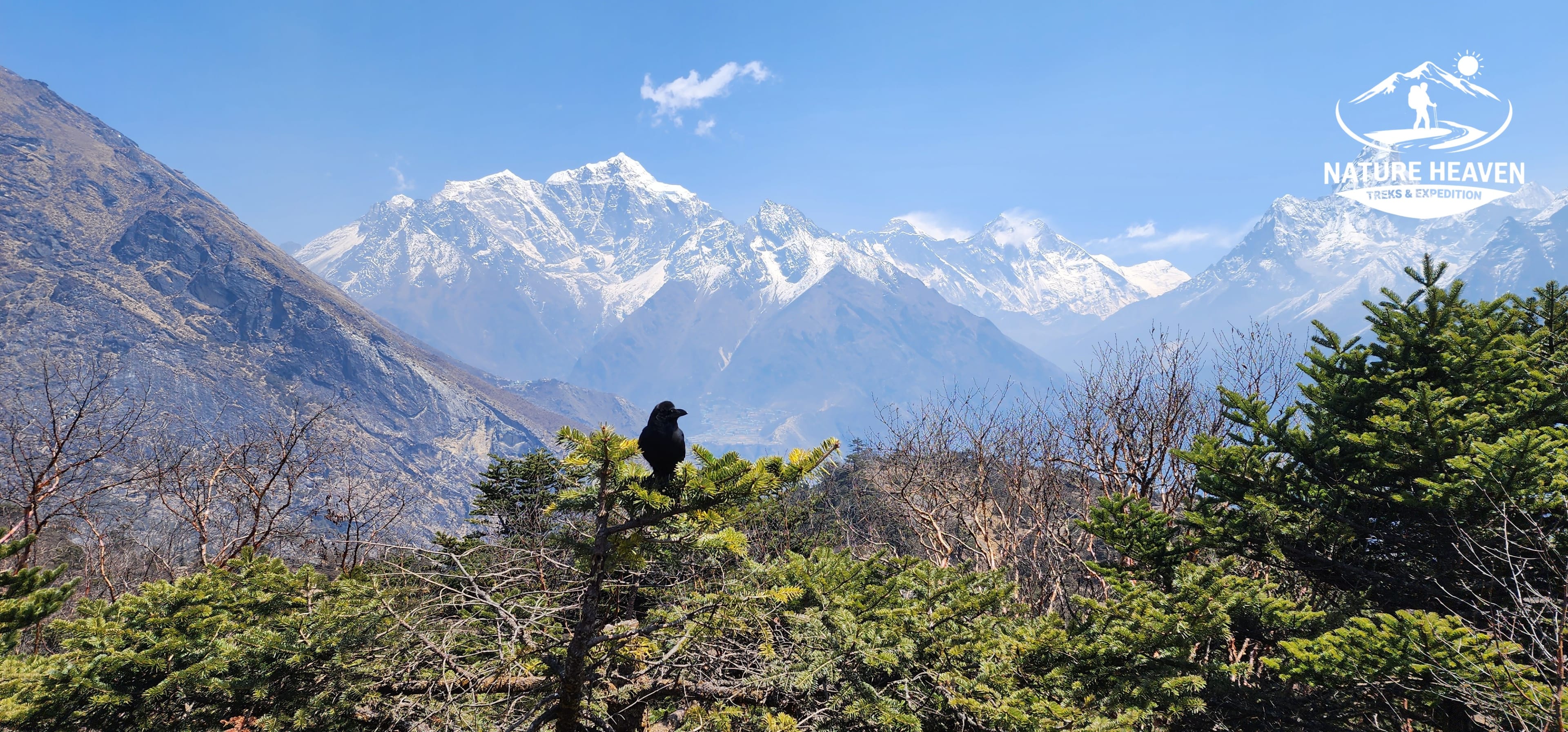
The Mountain Everyone Knows, Yet Few Truly Understand
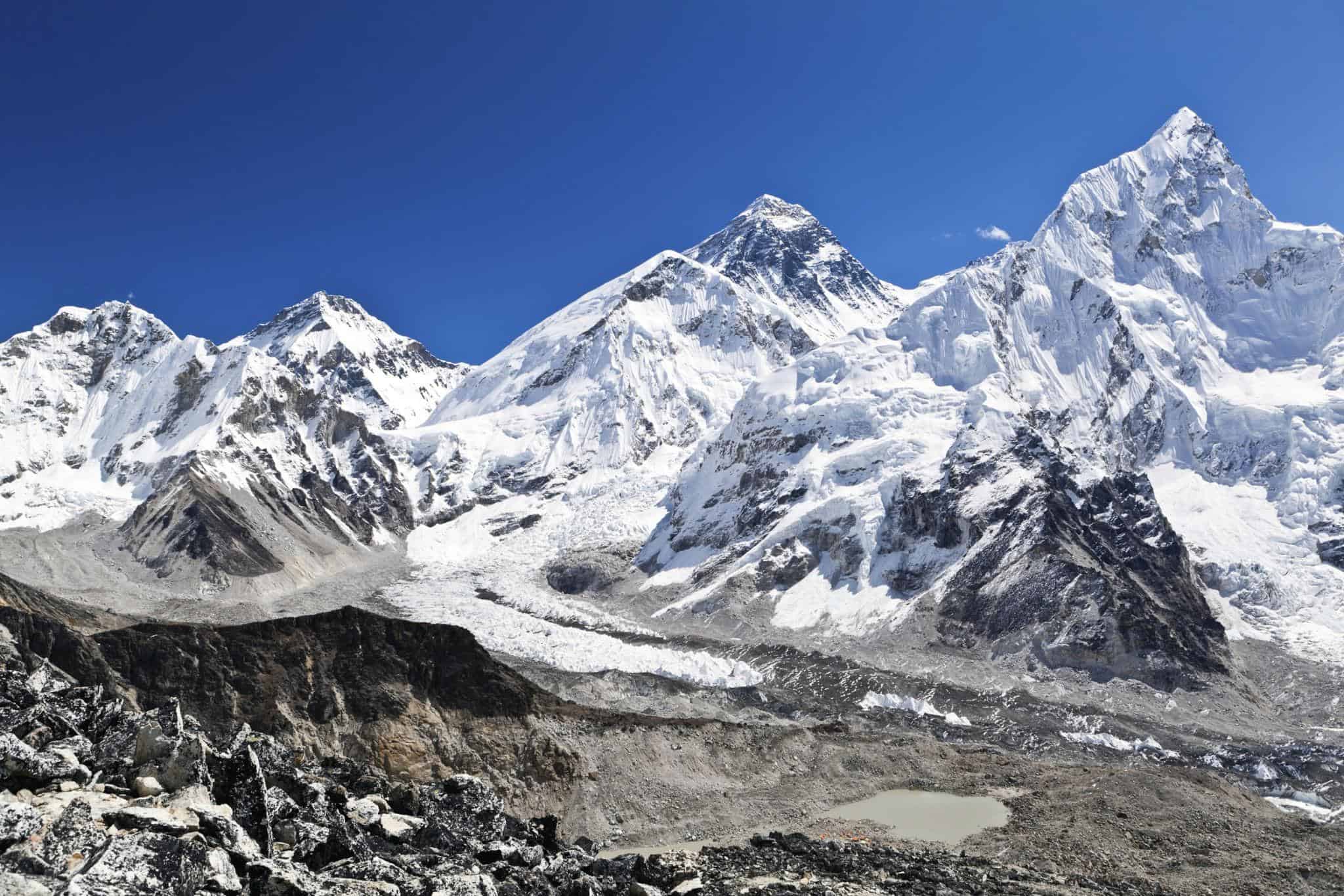
When people think of the world's highest mountain, they think of Mount Everest. Standing at 8,848.86 meters (29,031.7 feet), Everest is located in the Himalayas on the border of Nepal and Tibet, China. It is a symbol of adventure, determination, and natural beauty.
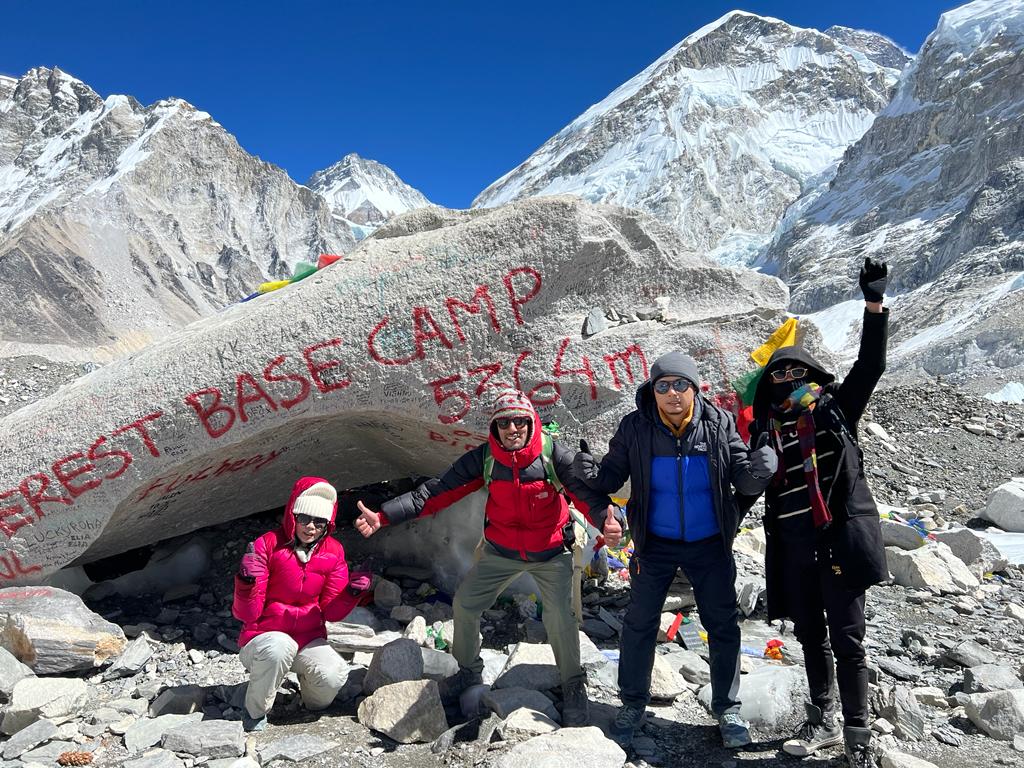
Every year, thousands of climbers, trekkers, and researchers visit the Everest region. Some aim to reach the summit, while others enjoy famous routes like the Everest Base Camp Trek. Scientists also come to study glaciers, climate change, and life at high altitudes.
Although Everest is famous for being the tallest mountain on Earth, it has many surprising secrets. Few people know that its rocks were once beneath an ancient ocean, or that the mountain continues to grow slightly each year due to tectonic movement.
In this article, we will explore some of the lesser-known facts about Mount Everest, revealing the fascinating history, science, culture, and mysteries behind the world's most famous mountain.
Not the Tallest Mountain:
Although Mount Everest is widely recognized as the highest mountain above sea level, it is not actually the tallest mountain when measured from base to summit. That title belongs to Mauna Kea, a massive volcanic mountain in Hawaii that rises more than 10,200 meters (33,474 feet) from its underwater base. Most of Mauna Kea remains hidden beneath the Pacific Ocean, making its true size less obvious than Everest's.
This surprising fact is one of the many lesser-known Mount Everest facts that challenge common assumptions about the world's tallest mountains. While Everest remains the highest peak above sea level at 8,848.86 meters, Mauna Kea surpasses it in total height from base to summit, offering a fascinating perspective on mountain geography and Earth's natural wonders.
 Lesser-Known Facts of Mount Everest
Fossilized Ocean Floor:
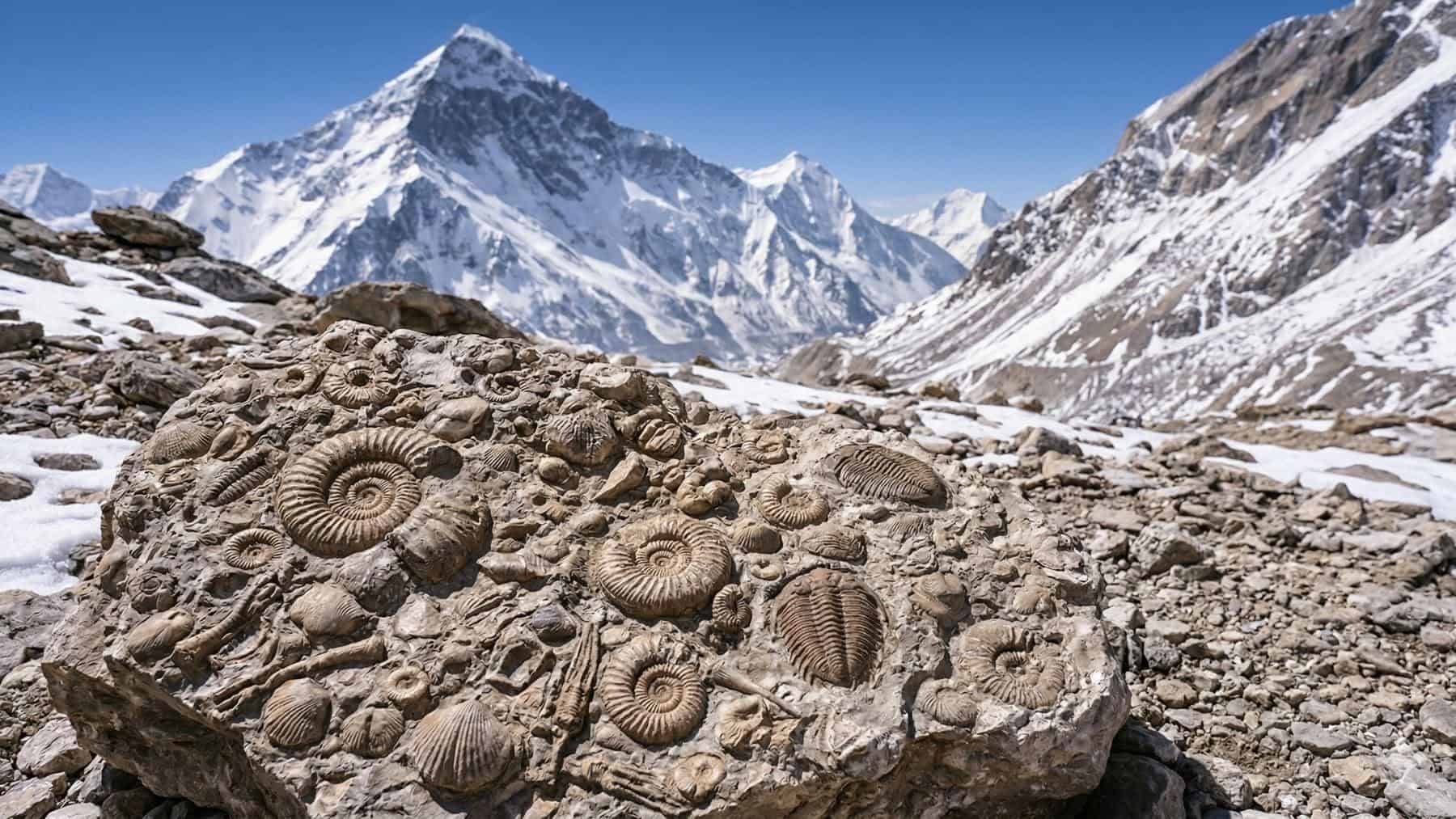
One of the most surprising facts about Mount Everest is that its summit was once part of an ancient ocean floor. The rocks found near the peak contain marine limestone and fossilized remains of sea creatures that lived approximately 450 million years ago. This remarkable geological evidence reveals the incredible history hidden within the world's highest mountain.
The presence of marine fossils on Mount Everest is the result of tectonic plate movement, where the Indian Plate collided with the Eurasian Plate millions of years ago. This powerful collision lifted the ocean floor high into the Himalayas, eventually forming Mount Everest. Today, these ancient fossils continue to fascinate geologists, trekkers, and climbers exploring the majestic Everest region.
 Fossilized Ocean Floor:
Not the Closest to Space:
Many people believe that Mount Everest is the closest point on Earth to outer space because it is the highest mountain above sea level. However, this is not entirely true. Due to the Earth's equatorial bulge, the summit of Mount Chimborazo in Ecuador is actually the farthest point from the Earth's center, making it technically closer to space than Mount Everest.
This surprising fact is one of the most fascinating lesser-known facts about Mount Everest. While Everest remains the world's tallest mountain at 8,848.86 meters above sea level, Mount Chimborazo holds a unique geographical distinction. Understanding this difference offers an interesting insight into Earth’s shape, mountain geography, and the science behind the world's highest peaks.
Sherpa Super-Climbers:
The Sherpa people are an indigenous ethnic group from the Himalayan region, widely known for their exceptional mountaineering skills rather than being a job title. Many Sherpas possess a rare genetic adaptation, including the EPAS1 gene, which helps their bodies efficiently use oxygen in high-altitude, low-oxygen environments. This unique biological advantage allows Sherpa climbers to thrive in extreme conditions on Mount Everest, making them essential to Everest expeditions, trekking support, and high-altitude rescue operations.
Among the most famous Sherpa mountaineers, Kami Rita Sherpa holds the record for the most successful ascents of Mount Everest, having reached the summit around 32 times. His remarkable achievement highlights the endurance, strength, and deep climbing expertise of Sherpa guides, who play a vital role in Everest summit expeditions. These Everest climbing records continue to inspire global interest in Sherpa culture, high-altitude adaptation, and Himalayan mountaineering excellence.
 Everest Has Its Own “Death Zone”
The "Death Zone" Time Limit:
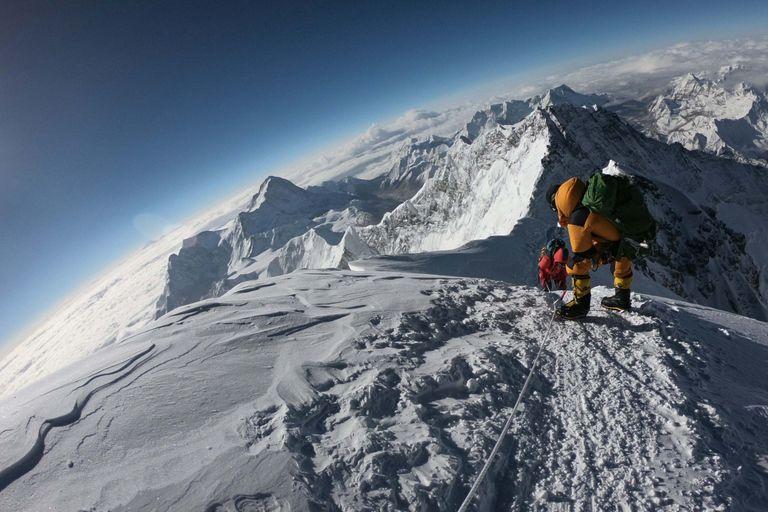
The region above 8,000 meters on Mount Everest is known as the “Death Zone”, where oxygen levels are extremely low and the human body cannot survive for long. At this altitude, climbers face severe risks of hypoxia (lack of oxygen) and hypothermia (extreme cold), making every step physically exhausting and dangerous. Because of these harsh conditions, most Everest expeditions rely on supplemental oxygen tanks to help climbers stay alive while attempting to reach the summit.
Due to the extreme environment of the Everest Death Zone, climbers must follow strict time limits and make rapid decisions during their ascent and descent. Staying too long in this area can lead to life-threatening complications, including loss of consciousness and organ failure. This is why the Death Zone is considered one of the most dangerous parts of the Mount Everest climbing route, demanding both careful planning and high-altitude mountaineering experience.
Fastest and Longest Stays:
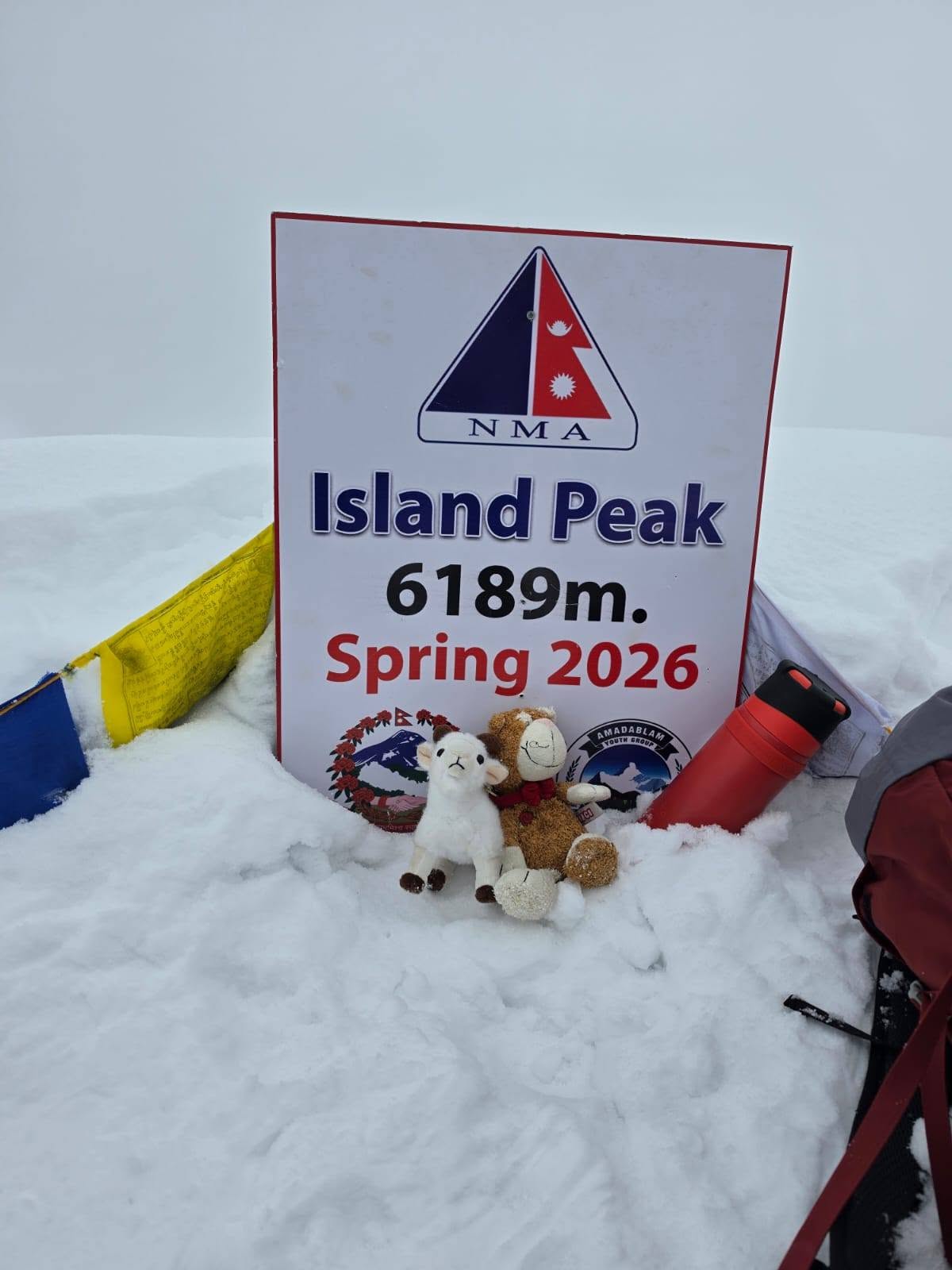
Mount Everest records highlight the extraordinary achievements of legendary Sherpa climbers. Babu Chiri Sherpa made history for his incredible endurance on the Everest summit, spending 21 hours at the top without supplemental oxygen. This rare feat is often cited in Everest summit records and showcases the extreme physical and mental resilience required for high-altitude survival in the Himalayas.
On the other hand, speed climbing records on Everest are equally remarkable. Pemba Dorje Sherpa set an astonishing record by reaching the Everest summit from base camp in just 8 hours and 10 minutes. These achievements remain key highlights in Everest speed climbing records and continue to inspire climbers and adventure enthusiasts worldwide.
 More Than 300 People Have Died on Everest
Originally "Peak XV"
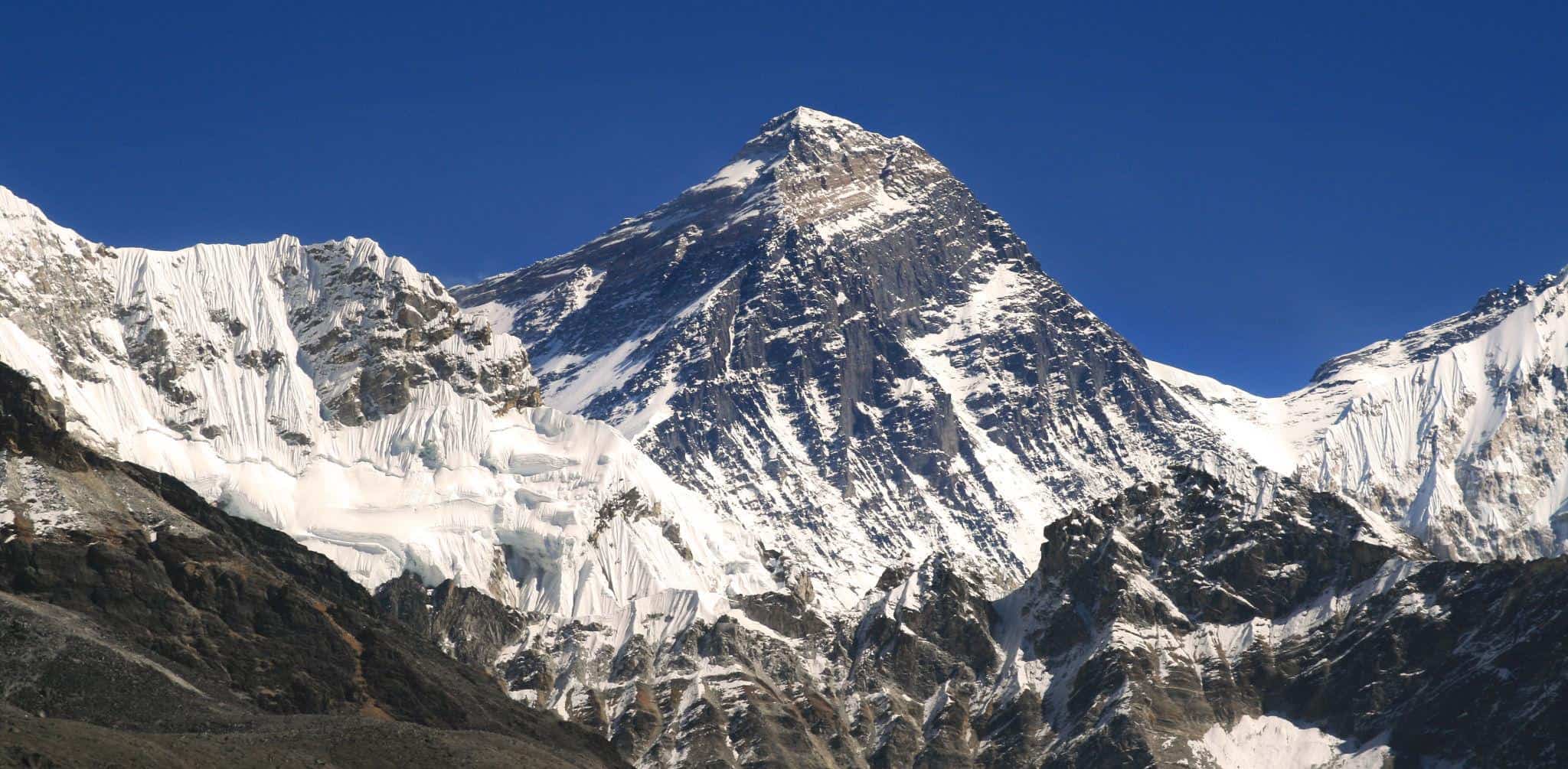
Mount Everest was originally known as “Peak XV” during early British surveys in the 19th century. Before receiving its modern name, it was simply numbered as part of a systematic mapping project conducted by the Great Trigonometrical Survey of India. This makes “Peak XV” an important reference in the historical documentation of Everest discovery and Himalayan exploration.
Later, the mountain was renamed “Mount Everest” in honor of Sir George Everest, a former Surveyor General of India, even though he never actually saw the peak himself. Today, the naming history of Mount Everest remains one of the most interesting topics in Himalayan geography, reflecting both colonial-era exploration and the evolution of modern cartography.
 Everest Was Not Always Called “Everest”
Indigenous Names:
Mount Everest is known by different indigenous names that reflect its deep cultural and spiritual importance in the Himalayas. In Tibet, it is called Chomolungma, meaning “Goddess Mother of the World,” symbolizing the mountain’s sacred status among local communities. This name highlights the strong connection between Tibetan culture, spirituality, and the world’s highest peak.
In Nepal, Mount Everest is referred to as Sagarmatha, meaning “Goddess of the Sky.” This name represents the mountain’s towering presence above the clouds and its significance in Nepali heritage and geography. These indigenous names of Mount Everest are widely used in cultural studies, trekking guides, and Everest tourism content, making them important keywords for understanding the mountain’s identity beyond its global title.
The Mystery of 1924:
Mount Everest is surrounded by one of the greatest climbing mysteries in history—the 1924 expedition of George Mallory and Andrew Irvine. While Edmund Hillary and Tenzing Norgay are officially recognized as the first successful climbers to reach the Everest summit in 1953, many historians and mountaineering experts still debate whether Mallory and Irvine may have achieved the summit nearly three decades earlier.
The question remains unanswered because both climbers disappeared during their descent, leaving no clear proof of whether they reached the top of Mount Everest. This enduring Everest mystery of 1924 continues to attract global attention, making it one of the most discussed topics in Everest expedition history, mountaineering exploration, and Himalayan climbing legends.
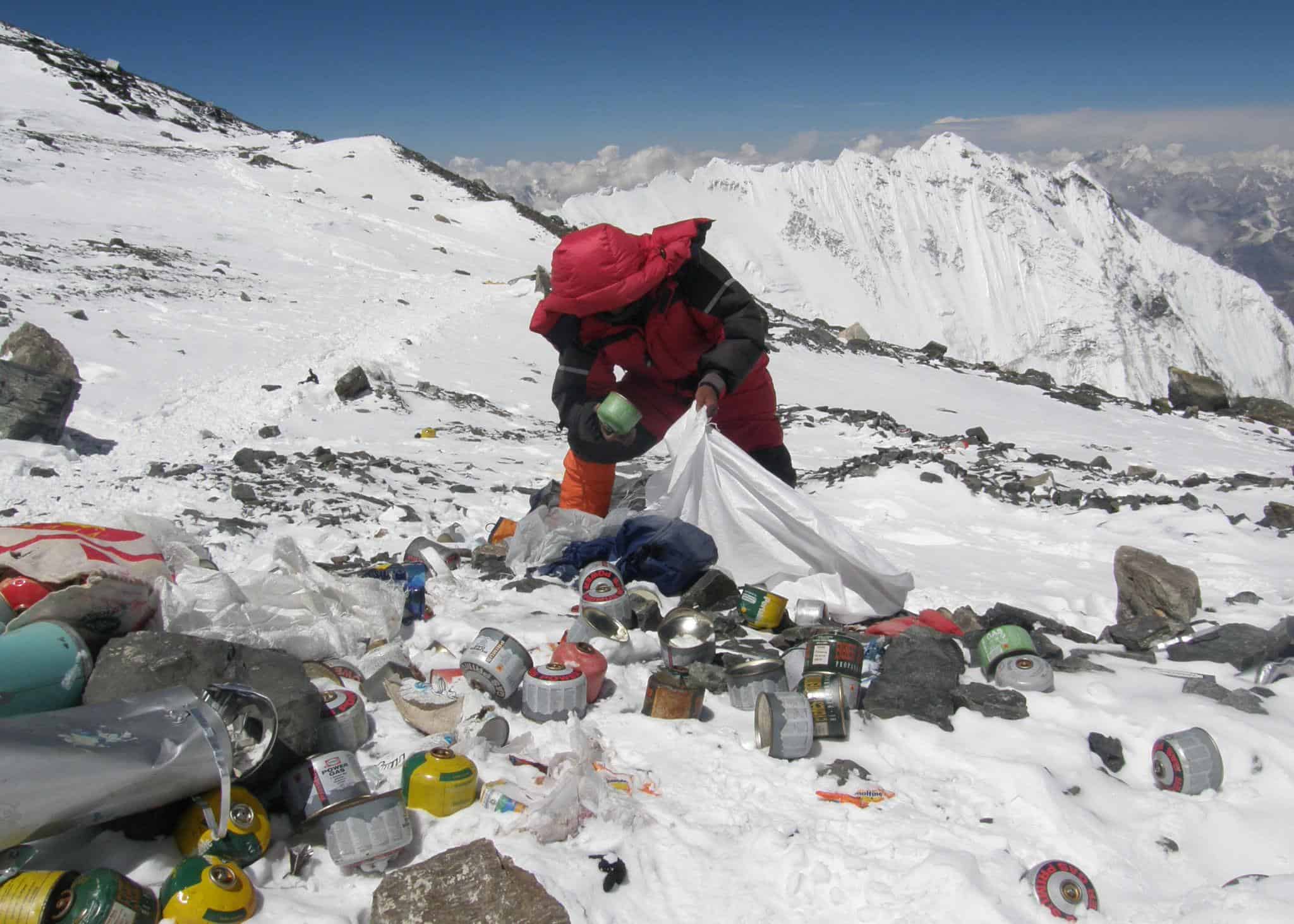 Everest Climbing Creates a Massive Cleanup Challenge
Everest Climbing Creates a Massive Cleanup Challenge
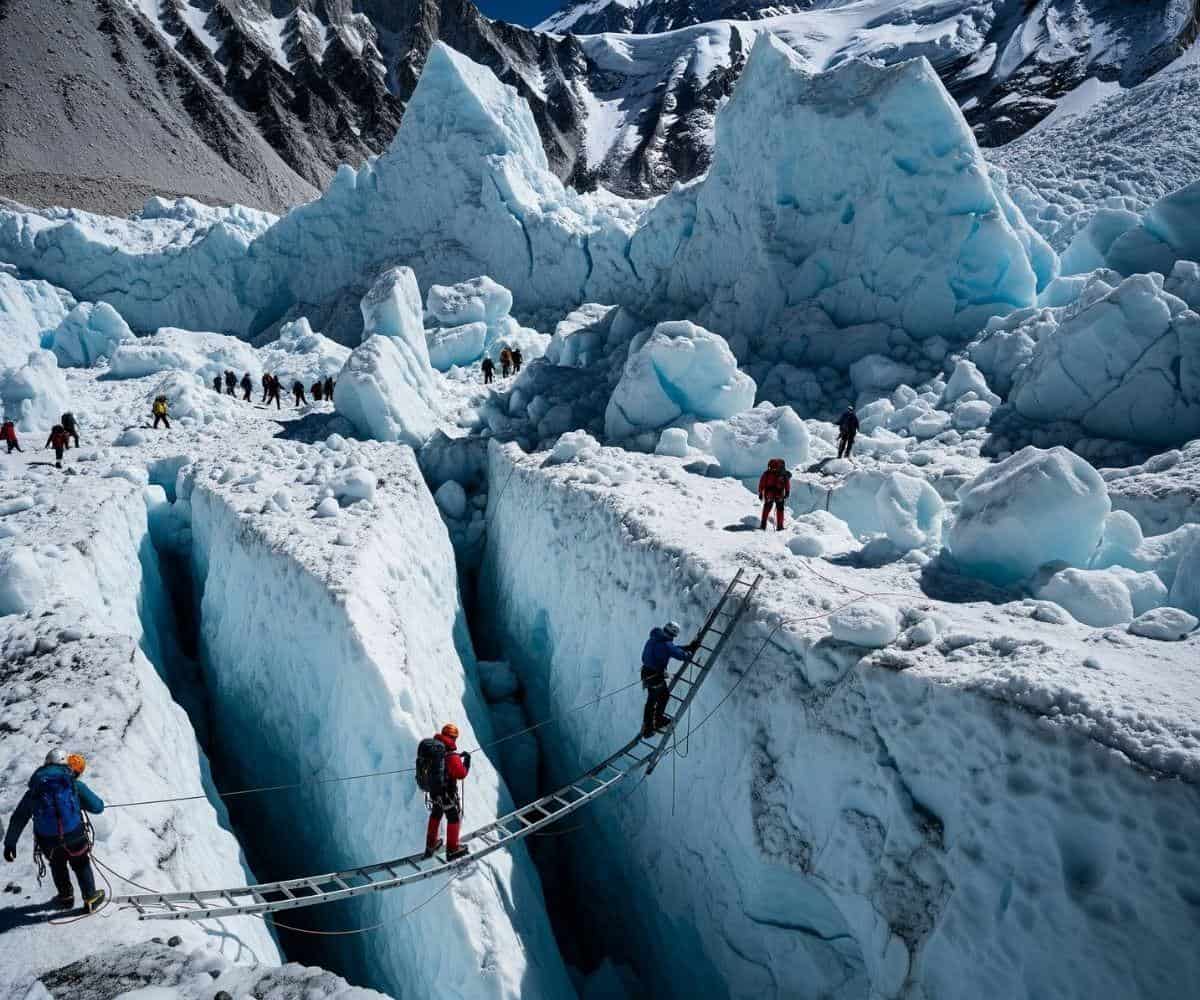
Mount Everest climbing has created a serious environmental challenge due to the growing amount of waste left behind by expedition teams. Items such as empty oxygen cylinders, food packaging, broken gear, and human waste have accumulated over the years, making Everest one of the highest-altitude dumping grounds in the world. This rising problem has raised major concerns about the environmental impact on the fragile Himalayan ecosystem and the long-term health of the mountain.
To address this issue, various cleanup campaigns have been organized by Nepal, focusing on removing tons of garbage from Everest’s slopes. These efforts, often carried out with the help of climbers, local authorities, and environmental groups, aim to promote sustainable mountaineering practices and protect the mountain for future generations. Such initiatives highlight the importance of responsible tourism and the urgent need to preserve Everest’s natural beauty.