Confirmed Booked Group, You Can Join for 2026 & 2027Know More
Annapurna Base Camp Trek - 13 Days photo 1
Annapurna Base Camp Trek - 13 Days photo 2
Annapurna Base Camp Trek - 13 Days photo 3
Annapurna Base Camp Trek - 13 Days photo 4
Annapurna Base Camp Trek - 13 Days photo 5
Home/Trips/Annapurna Base Camp Trek - 13 Days
Annapurna Region Region Best Seller13 Days

Annapurna Base Camp Trek - 13 Days

5.0(420 Reviews)
TripAdvisorCertificate of Excellence
🏔️ Max altitude: 4,130m
DestinationAnnapurna Region
Difficulty GradeMODERATE
Start / EndKathmandu / Kathmandu
AccommodationTeahouses & 3- 4 Star Hotels in Kathmandu / Pokhara
Best SeasonSpring (Mar–May) & Autumn (Sep–Nov)
Meals IncludedBreakfast, Lunch & Dinner
ActivityHigh Altitude Trekking
Max Altitude4130m / 13550ft

Trek Highlights

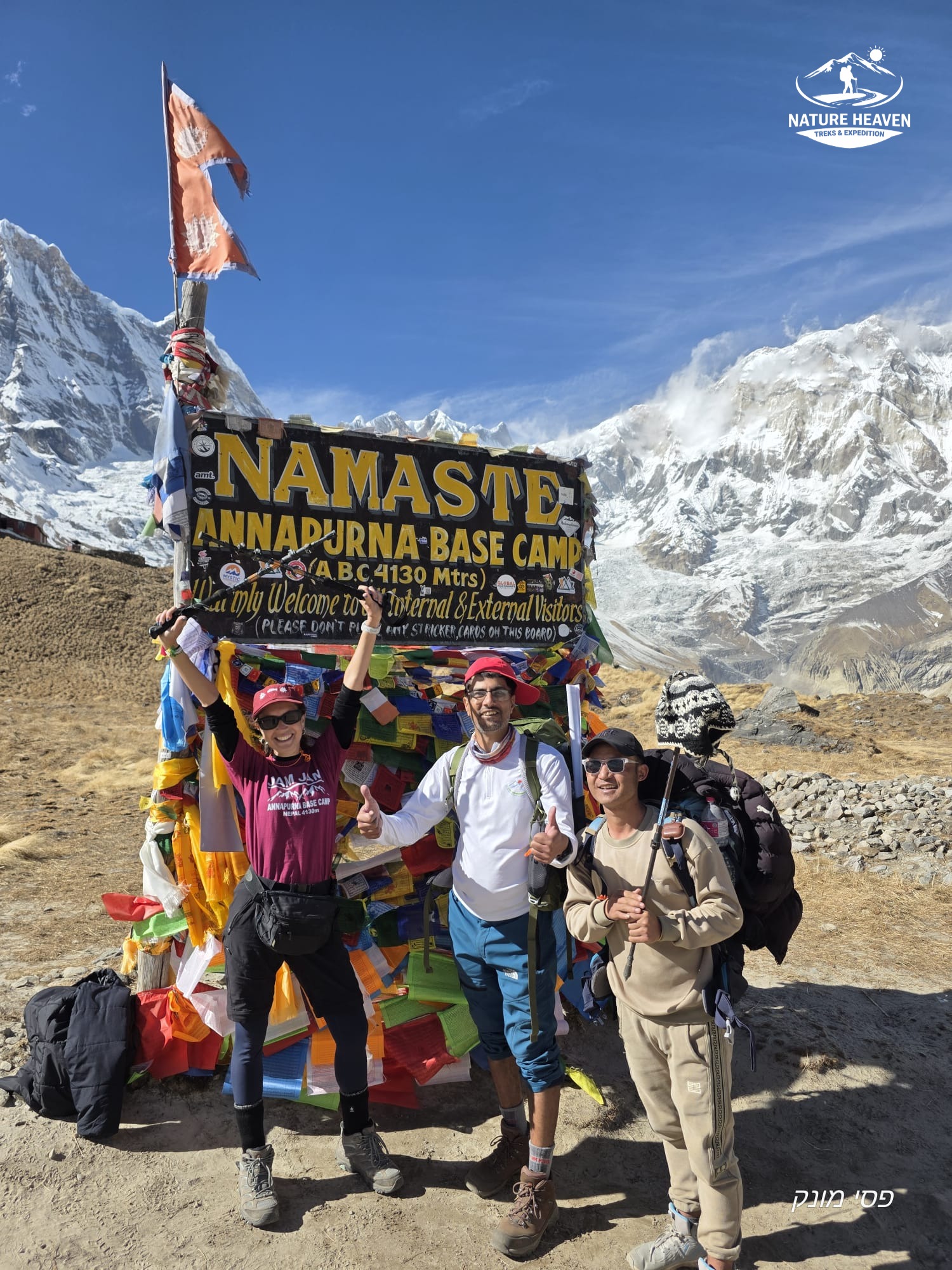
  • Trek to the spectacular Annapurna Base Camp (4,130m), nestled in the heart of the Annapurna Sanctuary and surrounded by towering Himalayan peaks.
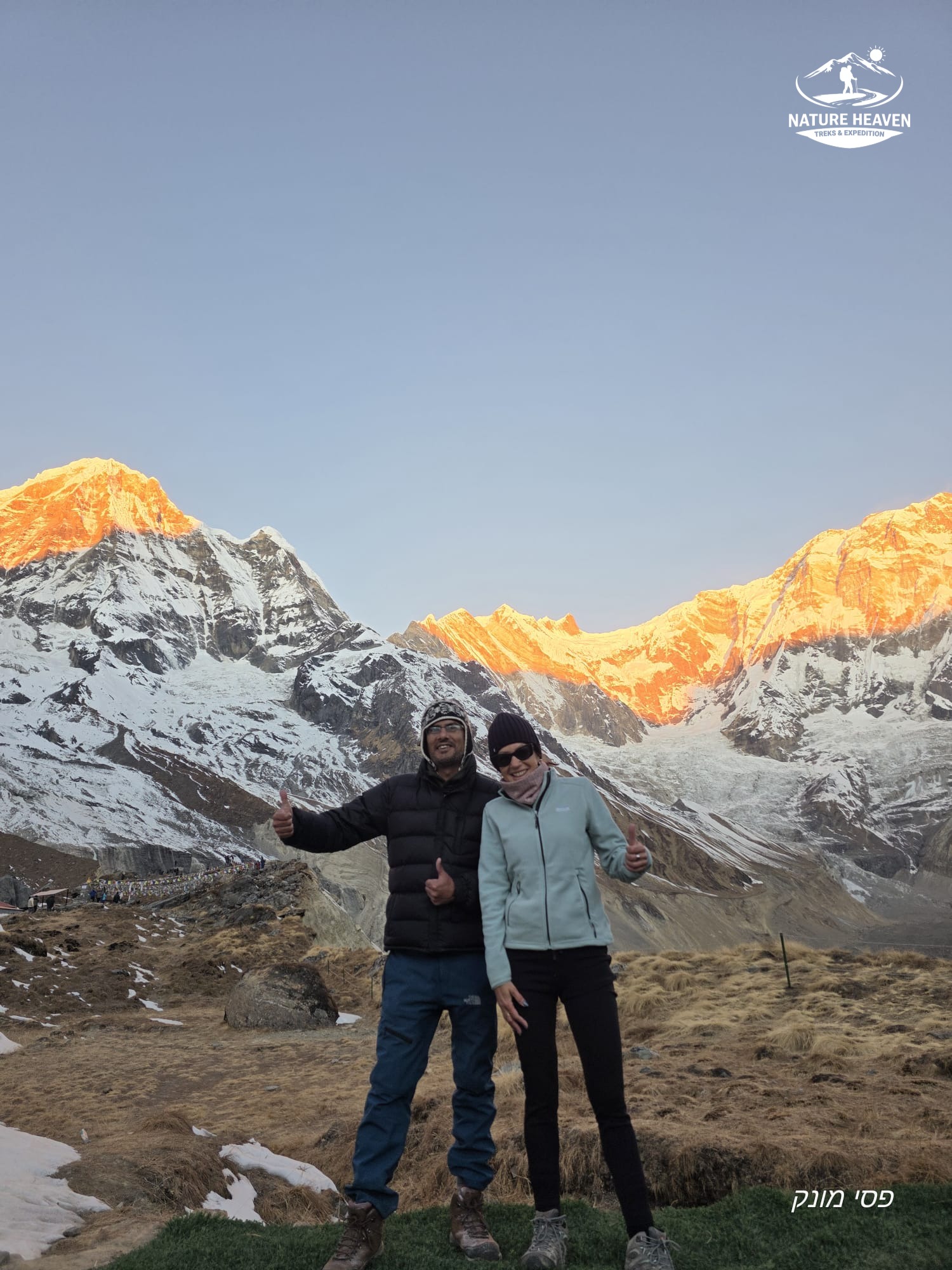
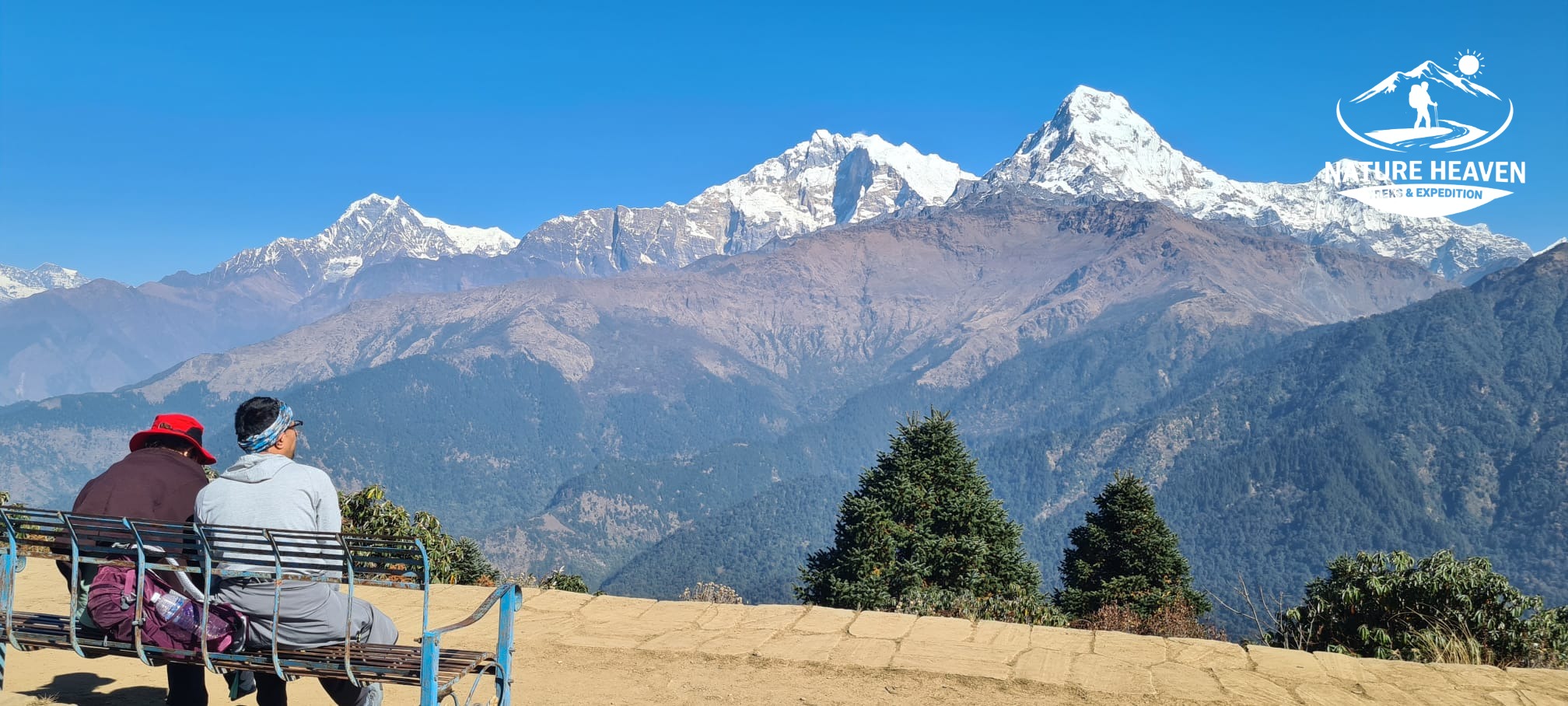
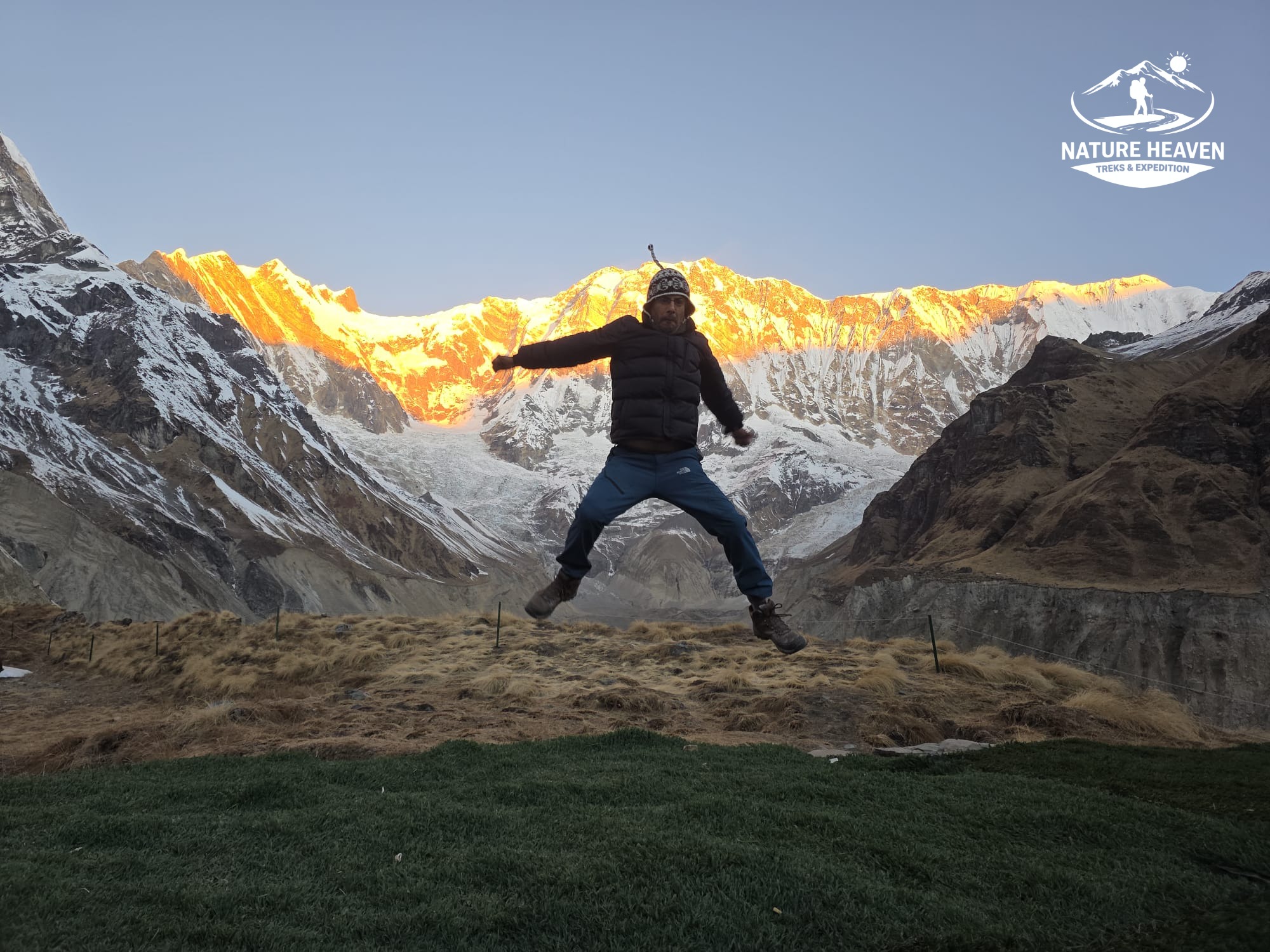
  • Enjoy breathtaking panoramic views of Annapurna I (8,091m), Machhapuchhre (Fishtail), Annapurna South, Hiunchuli, Gangapurna, and other majestic mountains.
  • Experience one of Nepal’s most diverse trekking routes, passing through charming villages, terraced farmlands, lush forests, and alpine landscapes.
  • Witness the incredible natural beauty of the Annapurna Sanctuary, a unique high-altitude glacial basin encircled by snow-capped mountains.
  • Explore traditional Gurung and Magar villages, including Ghandruk and Chhomrong, and learn about their rich culture and hospitality.
  • Walk through dense rhododendron and bamboo forests, especially vibrant during the spring flowering season.
  • Relax in the natural hot springs at Jhinu Danda, a perfect way to soothe tired muscles after days of trekking.
  • Trek alongside cascading waterfalls, glacial rivers, and scenic mountain streams throughout the journey.
  • Experience the dramatic landscape changes from subtropical valleys to high-altitude Himalayan wilderness.
  • Stay in traditional teahouses and enjoy authentic mountain hospitality along the trekking trail.
  • Capture stunning photographs of Machhapuchhre, Annapurna Base Camp, Himalayan glaciers, and picturesque mountain villages.
  • Walk beneath some of the world's highest mountains in one of Nepal's most famous and rewarding trekking destinations.
  • Complete an unforgettable Himalayan adventure and achieve a remarkable trekking accomplishment in the Annapurna region.

Trip Overview

The Annapurna Base Camp Trek (ABC Trek) is one of Nepal’s most popular and rewarding trekking adventures, taking you deep into the heart of the Annapurna region. This incredible journey leads to Annapurna Base Camp (4,130m), surrounded by a natural amphitheater of towering Himalayan peaks, offering breathtaking mountain scenery, diverse landscapes, and rich cultural experiences.

The Annapurna Base Camp Trek in Nepal is ideal for trekkers seeking a classic Himalayan adventure without the extreme altitude of some other high-mountain treks. The trail passes through picturesque villages such as Ghandruk, Chhomrong, Sinuwa, Deurali, and Bamboo, allowing trekkers to experience the unique culture, traditions, and hospitality of the Gurung and Magar communities.

One of the major highlights of the ABC trekking route is reaching Annapurna Base Camp itself, where trekkers are rewarded with spectacular 360-degree views of Annapurna I (8,091m), Annapurna South, Machhapuchhre (Fishtail), Hiunchuli, Gangapurna, and several other snow-capped peaks. The journey through the stunning Annapurna Sanctuary, surrounded by some of the highest mountains in the world, creates an unforgettable Himalayan experience.

The Annapurna Base Camp Trek package perfectly combines natural beauty, cultural immersion, and adventure. Trekkers walk through lush rhododendron forests, terraced farmlands, cascading waterfalls, glacial valleys, and alpine landscapes while enjoying comfortable teahouse accommodations along the route. The opportunity to relax in the natural hot springs at Jhinu Danda adds another memorable element to the trek.

The best seasons for the Annapurna Base Camp Trek are spring (March–May) and autumn (September–November), when the weather is generally stable, mountain views are at their clearest, and trekking conditions are ideal.

Whether you are searching for the Annapurna Base Camp Trek itinerary, cost, difficulty level, altitude, or best time to visit, this trek offers one of the finest trekking experiences in Nepal and remains a must-do adventure for nature lovers and mountain enthusiasts from around the world.

Transportation Information for Annapurna Base Camp Trek

Kathmandu to Pokhara Travel Options

The Annapurna Base Camp Trek begins with a journey from Kathmandu to Pokhara, Nepal's beautiful lakeside city and the gateway to the Annapurna region.

Tourist Bus from Kathmandu to Pokhara

The most popular option is a comfortable tourist bus journey from Kathmandu to Pokhara. The drive takes approximately 6–8 hours, depending on road and traffic conditions. Along the way, travelers can enjoy scenic views of rivers, terraced hillsides, rural villages, and mountain landscapes.

Tourist buses typically depart early in the morning and include several rest stops for meals and refreshments.

Domestic Flight from Kathmandu to Pokhara

For those seeking a faster and more convenient option, daily domestic flights operate between Kathmandu and Pokhara throughout the year.

The flight duration is approximately 25–30 minutes and offers spectacular aerial views of the Himalayan mountain ranges, including Annapurna, Manaslu, and Langtang on clear days.

Please note that flight schedules may be affected by weather conditions and airline operations.

Pokhara to Trek Starting Point

After arriving in Pokhara, a private vehicle or shared jeep transfer will take you to Nayapul, Siwai, or another designated trailhead depending on the itinerary and road conditions.

The drive generally takes between 1.5 to 3 hours and passes through picturesque villages, terraced farmland, and beautiful countryside scenery before reaching the trekking route.

Optional Private Vehicle Upgrade

Travelers who prefer additional comfort and flexibility may choose a private vehicle transfer between Kathmandu and Pokhara.

This option allows for customized departure times, fewer stops, and a more relaxed travel experience. Private transportation can be arranged upon request for an additional cost.

Optional Helicopter Return from Annapurna Base Camp

For a truly unforgettable experience, trekkers can choose an optional helicopter flight from Annapurna Base Camp back to Pokhara.

This scenic helicopter journey offers breathtaking bird's-eye views of the Annapurna Sanctuary, glaciers, deep valleys, and snow-capped Himalayan peaks. It also significantly reduces trekking time and is ideal for travelers with limited schedules.

The helicopter charter cost varies depending on the season, availability, and number of passengers sharing the flight. Please contact us for the latest pricing and arrangements.

Online Trip Briefing

Nature Heaven Treks & Expedition provides a complimentary online trip briefing via WhatsApp before your trek. Once your booking is confirmed and we receive your passport copy, we will schedule the briefing and send the details by email.

During the session, we review the itinerary, packing list, weather conditions, altitude information, and answer any questions you may have. Our goal is to ensure you are fully prepared and confident for your adventure in Nepal.

For assistance, contact us on WhatsApp at +977-9851218358 or share your WhatsApp number with our team.

Plan Your Trek Schedule

Pick Your Start Date

Click any date below to select your departure day. The calendar will automatically highlight your full 13-day trip window. Use the arrows to browse months.

Trip Duration13 Days
Start / End PointKathmanduKathmandu
June 2026
SuMoTuWeThFrSa
July 2026
SuMoTuWeThFrSa
Group discounts are applied automatically at checkout.

Trek Experience Video

Detailed Itinerary

Trek DistanceN/A
Flight / DriveNone
Highest Altitude1,350m / 4,429ft
Trek DurationN/A

Upon your arrival at Tribhuvan International Airport in Kathmandu, our representative will warmly welcome you and transfer you to your hotel. After checking in, you can relax or explore the vibrant streets of Thamel, a popular tourist hub filled with restaurants, shops, and cultural attractions. In the evening, you will attend a trek briefing where your guide will provide important information about the upcoming adventure.

AccommodationHotel in Kathmandu
Meals ProvidedDinner

What is Included in This Package

Transportation

  • Tourist bus transportation from Kathmandu to Pokhara and return
  • Private transfer between Pokhara and the trek starting/ending points (Nayapul, Siwai, or as per itinerary)
  • Private airport pick-up and drop-off service in Kathmandu

Accommodations

  • 8 nights total accommodation during the trip
  • 2 nights in Kathmandu at a tourist-standard hotel with breakfast
  • 3 nights in Pokhara at a tourist-standard hotel with breakfast
  • 8 nights in traditional teahouses during the trek on a twin-sharing basis

Food & Drinks

  • Full-board meals (breakfast, lunch, and dinner) during the trekking period
  • 12 breakfasts, 10 lunches, and 11 dinners as per the itinerary
  • Daily seasonal fresh fruits during the trek
  • Water purification tablets for safe drinking water
  • Farewell dinner in Kathmandu after the successful completion of the trek

Guide & Porter

  • Licensed, experienced, and English-speaking trekking guide
  • 1 assistant guide for groups of more than 7 trekkers
  • Porter service (1 porter for every 2 trekkers, carrying up to 18 kg in total)

Permits & Fees

  • Annapurna Conservation Area Project (ACAP) Permit
  • Trekkers' Information Management System (TIMS) Card (if required)
  • All applicable local and government taxes
  • Official paperwork and trekking permit processing fees

Other Service Inclusions

  • Comprehensive first-aid medical kit carried by the guide
  • Daily oxygen saturation (oximeter) monitoring during the trek
  • Assistance with emergency rescue coordination (covered by your travel insurance)
  • Company T-shirt and trekking map
  • Annapurna Base Camp Trek completion certificate
  • Sleeping bag, down jacket, and duffel bag (available upon request and subject to availability)
  • Free luggage storage at our Kathmandu office during the trek
  • Government taxes and company service charges

What is Excluded from This Package

Transportation

  • International flight tickets to and from Nepal

Accommodations

  • Hotel stays in Kathmandu before and after the trek
  • Extra nights in Kathmandu due to early arrival, late departure, or changes in itinerary

Food & Drinks

  • All meals (breakfast, lunch, and dinner) in Kathmandu before and after the trek

Guide & Porter Tips

  • Tips for guides and porters (recommended but not mandatory)

Personal Expenses & Gear

  • Nepal tourist visa on arrival at Tribhuvan International Airport
  • Personal travel insurance covering high-altitude trekking and emergency helicopter evacuation (mandatory)
  • Snacks, bottled water, tea/coffee, soft drinks, alcohol, and hot showers
  • Wi-Fi, phone calls, battery charging fees
  • Extra porter charges (if required)
  • Souvenirs and shopping items
  • Personal trekking clothing and equipment

Other Exclusions

  • Any services not specifically mentioned in the “Included” section

Trek Route Map
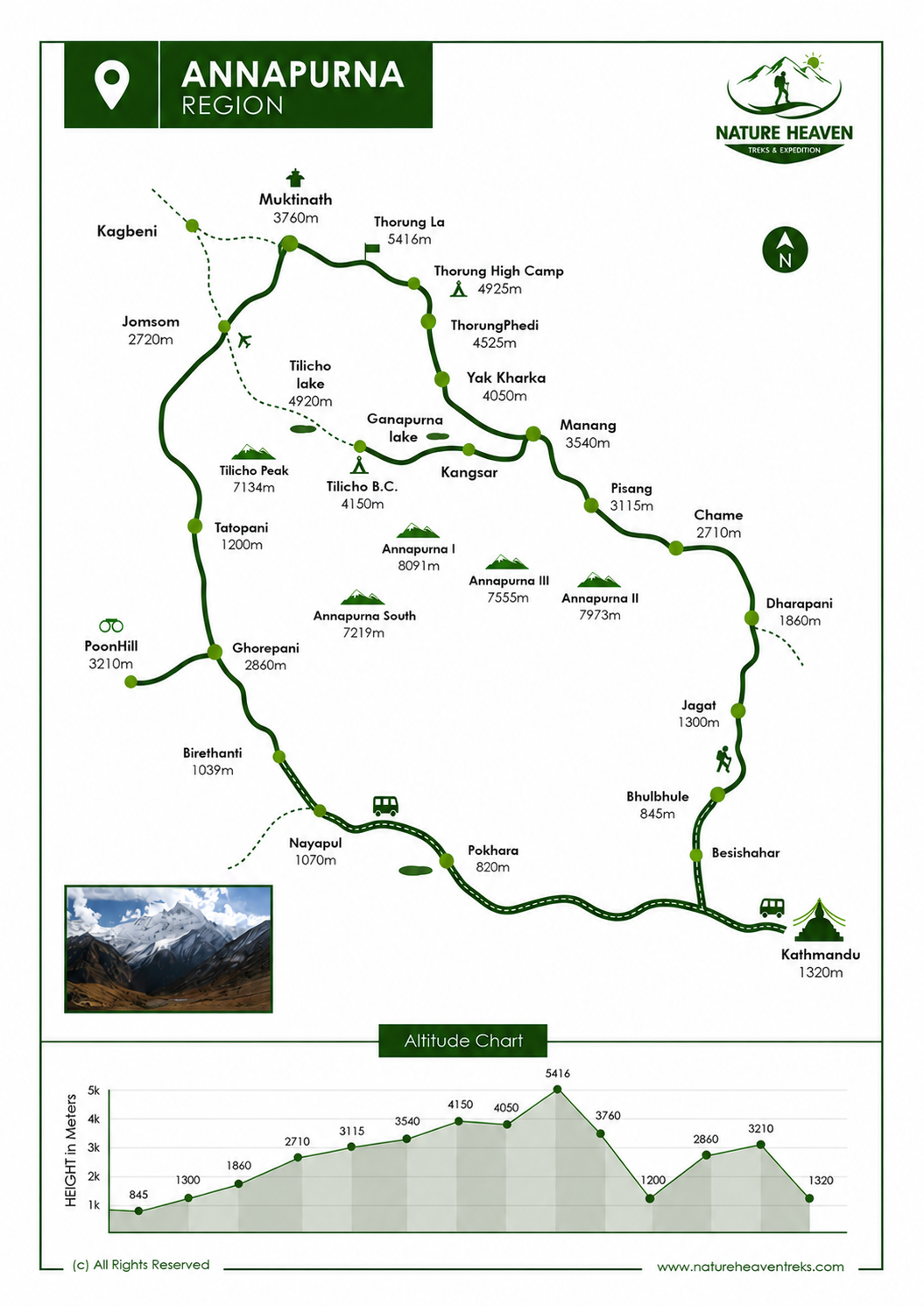
Annapurna Base Camp Trek - 13 Days Route Map

Customer Reviews

4.9/5 based on 320 reviews
Mark S. (Australia)

Once in a lifetime experience, flawlessly organized!

Nature Heaven Trek & Expedition exceeded all our expectations. Our guide was knowledgeable and kept a close eye on our oxygen levels every day. Standing at the summit is something I'll never forget.

Sarah Jenkins (United Kingdom)

Incredible Support Team and Safe Trek

I was nervous about altitude sickness, but the guide's slow pace and safety protocols made me feel incredibly secure. When one member needed support, the team handled it with outstanding professionalism.

SAVE $101 PP
Starting Price
$1100$999USD / PP
⏱️ 13 DaysFrom $999 PP
Group Size Discounts
PersonsPrice PP
1 Person$999
2–3 Persons$959
4–7 Persons$919
8–13 Persons$879
WhatsApp Us
K
Expert Advisor

Kafle

Senior Himalayan Specialist

“Namaste! I have been guiding in the Himalayas for over 15 years. Contact me directly to customize your itinerary or check live trail conditions.”

Secure Booking System

Your checkout session is secure and encrypted by 256-bit SSL. Associated with TAAN, KEEP, NMA, and registered with Nepal Tourism Board.


StripePayPaleSewaKhaltiSWIFT
Helicopter evacuation and oxygen safety setups verified.

FAQs For Annapurna Base Camp Trek - 13 Days

ℹ️Basic Information

The Annapurna Base Camp (ABC) Trek is considered a moderate trek. It involves daily walks of 5–7 hours on well-established trails with gradual ascents and descents.

Most ABC treks take between 7 and 12 days, depending on the itinerary, starting point, and acclimatization schedule.

The highest point of the trek is Annapurna Base Camp at 4,130 meters (13,550 feet) above sea level.

No prior trekking experience is required. Beginners with a reasonable level of fitness can successfully complete the trek with proper preparation.

The best seasons are spring (March to May) and autumn (September to November) when the weather is stable, skies are clear, and mountain views are excellent.

Although the altitude is lower than some Himalayan treks, mild altitude sickness can occur. Proper acclimatization, hydration, and a gradual ascent help reduce the risk.

You need an Annapurna Conservation Area Permit (ACAP) and a TIMS Card or any trekking permits required under current Nepal government regulations.

Current trekking regulations may require trekkers to be accompanied by a licensed guide. It is recommended to check the latest requirements before traveling.

Accommodation is mainly in teahouses and mountain lodges offering basic but comfortable rooms, meals, and common dining areas.

Teahouses serve a variety of meals including Dal Bhat, noodles, rice dishes, soups, pasta, potatoes, eggs, tea, coffee, and snacks.

Most villages offer electricity for charging devices and Wi-Fi services for an additional fee, though connectivity may be slow or unreliable at higher elevations.

Yes, Many trekkers combine Annapurna Base Camp with the Ghorepani Poon Hill Trek to enjoy both sunrise viewpoints and the spectacular Annapurna Sanctuary.

Dal Bhat is the most popular and recommended meal. It provides a balanced combination of carbohydrates, protein, and vegetables, making it ideal for long trekking days.

Most teahouses can accommodate vegetarian diets, and some can provide vegan or gluten-free options with advance notice. Inform your trekking company and guide about your dietary needs before the trek.

Common symptoms include headache, dizziness, nausea, loss of appetite, fatigue, and difficulty sleeping. Severe symptoms require immediate descent.

💪Physical Readiness & Training

The Annapurna Base Camp (ABC) Trek is considered a moderate trek. It involves several days of walking on stone steps, forest trails, and mountain paths with daily hikes of 5–7 hours.

No, prior trekking experience is not required. Beginners with a reasonable fitness level and proper preparation can successfully complete the trek.

You should be able to walk comfortably for 5–7 hours a day on uneven terrain. Good cardiovascular fitness and leg strength will make the trek more enjoyable.

Ideally, start training 4–8 weeks before your trek. Regular walking, hiking, jogging, cycling, or stair climbing can help improve your endurance.

Focus on cardio exercises such as hiking, running, swimming, and cycling. Strength training for your legs, core, and back is also highly recommended.

Most trekking days involve 5–7 hours of walking, depending on the itinerary, weather, and trail conditions.

No special altitude training is required. However, maintaining a steady pace, staying hydrated, and following proper acclimatization practices are important.

Yes, Many children and trekkers in their 60s and 70s have successfully completed the trek. Good health, proper pacing, and adequate preparation are key.

The itinerary includes regular breaks and comfortable overnight stops. Your guide will adjust the pace to suit the group's fitness level whenever possible.

Set realistic expectations, maintain a positive attitude, and prepare for changing weather, basic mountain facilities, and consecutive days of walking. Mental readiness is just as important as physical fitness.

🎫Entry permit

The Annapurna Base Camp (ABC) Trek requires an Annapurna Conservation Area Permit (ACAP). Depending on current regulations and trekking arrangements, a TIMS Card (Trekkers' Information Management System) may also be required. Your trekking agency Nature Heaven Treks and Expedition can arrange all necessary permits before the trek.

The ACAP permit costs NPR 3,000 for foreign nationals and NPR 1,000 for SAARC nationals. Children under 10 years generally receive free entry.

Nature Heaven Treks & Expedition arranges all required permits on your behalf. You only need to provide a passport copy and a passport-sized photo before the trek begins.

You will need: A valid passport (minimum six months validity) Passport-sized photographs Personal and emergency contact details These documents help process your trekking permits smoothly.

Yes, Permit checkpoints are located at several points along the route, including Birethanti and Chhomrong. Trekkers must carry their permits throughout the journey and present them when requested by authorities.

No, Annapurna trekking permits are issued for a specific trip and are generally non-transferable and non-reusable. A new permit is required for each new trek.

📋Assurance and Travel permit

The permits depend on your trekking destination. Most trekking routes require a National Park or Conservation Area Permit, while some regions also require a TIMS (Trekkers' Information Management System) card or special restricted area permits.

Yes, Nature Heaven Treks & Expedition handles all required trekking permits and paperwork before your trek, ensuring a smooth and hassle-free experience. Permits are prepared using your passport details and travel itinerary.

You generally need a valid passport copy, passport-sized photographs, and your travel details. Some restricted areas may require additional documentation.

Yes, Regions such as Manaslu, Upper Mustang, Upper Dolpo, Nar Phu, and Tsum Valley require special Restricted Area Permits that must be arranged through a registered trekking agency.

👥Himalayan Guide & Support Team

Yes, As per current trekking regulations in Nepal, foreign trekkers are required to trek with a licensed guide in the Annapurna region for safety and route management.

Yes, Our guides are government-licensed professionals with extensive experience in the Annapurna region. They are trained in trekking safety, first aid, altitude awareness, and local culture

Your guide will manage the itinerary, assist with permits, arrange accommodations, ensure safe navigation, monitor your health, and provide information about local culture, history, and the Himalayan environment.

Yes, Porters can be arranged to carry your main duffel bag, allowing you to trek comfortably with only a daypack carrying your personal essentials.

A porter typically carries up to 20–25 kg, usually shared between two trekkers. We follow responsible trekking practices to ensure fair and safe working conditions.

Our guides are trained to respond to emergencies and coordinate evacuation if necessary. They maintain communication with our office and assist in arranging medical support or helicopter rescue when required.

Yes, Hiring a porter is optional. However, many trekkers find porter support helpful, especially during long trekking days and steep ascents.

Yes, Our guides speak English and are experienced in assisting international trekkers. Other language-speaking guides may also be available upon request.

Yes, Your guide handles tea house arrangements, meal coordination, and daily logistics throughout the trek, ensuring a smooth and comfortable experience.

Our experienced Himalayan team prioritizes safety, personalized service, local expertise, and responsible tourism, helping you enjoy a memorable and hassle-free Annapurna Base Camp adventure.

🏨Where You Stay & What’s Included

Teahouses provide simple accommodation with a bed, mattress, pillow, and blanket. Shared bathrooms are common, and facilities become more basic at higher elevations.

Private rooms may be available in some villages, especially during the off-season. However, availability cannot be guaranteed during peak trekking seasons.

The package includes breakfast, lunch, and dinner during the trekking period. Meals are served at teahouses and offer a variety of local and international options.

You can enjoy Nepali Dal Bhat, noodles, rice dishes, soups, pasta, potatoes, pancakes, eggs, tea, coffee, and other trekking-friendly meals.

Drinking water is usually not included. Trekkers can purchase boiled or bottled water along the route or use water purification tablets and filters.

Most packages include accommodation, trekking permits, licensed guide, porter service, meals during the trek, ground transportation, and necessary trekking arrangements.

Yes, hot showers and Wi-Fi are available in many teahouses for an additional charge. Availability may vary depending on the location and weather conditions.

Yes, there are several teahouses at Annapurna Base Camp that provide basic lodging, meals, and warm communal dining areas for trekkers.

While teahouses provide blankets, bringing a warm sleeping bag is highly recommended, especially during colder months and at higher elevations.

🍽️Meals and Refreshments

Teahouses along the trail serve a variety of meals, including Nepali Dal Bhat, fried rice, noodles, pasta, soups, potatoes, eggs, pancakes, and bread. Vegetarian options are widely available.

Yes, Drinking water is available at teahouses and lodges throughout the route. You can purchase boiled water, bottled water, or refill your bottle and use water purification tablets or filters.

Yes, Most teahouses offer black tea, milk tea, ginger tea, lemon tea, coffee, hot chocolate, and herbal teas. These warm drinks are especially enjoyable in the higher elevations.

Yes, You can buy snacks such as chocolate bars, biscuits, instant noodles, chips, and energy bars at villages along the route. However, prices increase with altitude.

Yes, alcoholic beverages such as beer and local drinks are available in many teahouses. However, alcohol is not recommended at high altitudes because it can contribute to dehydration and affect acclimatization.

Bringing energy bars, nuts, dried fruits, or electrolyte powders is a good idea, especially if you prefer specific brands or need extra energy between meals.

This depends on the package you choose. Many Annapurna Base Camp Trek packages include breakfast, lunch, and dinner during the trek. Check the package details with your trekking operator.

Yes, food prepared at reputable teahouses is generally safe. Freshly cooked meals, hot soups, and boiled water are recommended to minimize the risk of stomach problems during the trek.

☀️Weather Patterns & Seasonal Changes

The best seasons are spring (March–May) and autumn (September–November). These months offer clear mountain views, stable weather, and comfortable trekking temperatures.

Spring brings mild temperatures, blooming rhododendron forests, and generally clear skies. Daytime temperatures range from 10°C to 20°C, while nights can be cooler at higher elevations.

Monsoon season brings frequent rain, muddy trails, leeches in lower forests, and occasional landslides. Mountain views are often obscured by clouds, but the landscapes become lush and green.

Yes, Autumn is considered the most popular trekking season. The weather is dry, visibility is excellent, and temperatures remain comfortable for trekking.

Winter temperatures can drop below freezing, especially at Annapurna Base Camp. Night temperatures may fall to -10°C or lower, while daytime temperatures usually remain above freezing.

Yes, Snowfall is common during winter and can occasionally occur in late autumn or early spring. Heavy snowfall may temporarily block higher sections of the trail.

Mountain weather can change rapidly. Clear mornings may turn cloudy or windy by afternoon, so trekkers should always be prepared for sudden weather shifts.

October and November generally provide the clearest skies and the best panoramic views of the Annapurna range.

Yes, Weather in the Himalayas is unpredictable. A waterproof jacket, rain cover for your backpack, and quick-drying clothing are recommended year-round.

Seasonal changes influence trail conditions, visibility, temperatures, and crowd levels. Spring offers colorful landscapes, autumn provides the best visibility, monsoon brings wet trails, and winter presents colder conditions with possible snow-covered paths.

🏥Health Protection & Safety

Yes, the Annapurna Base Camp Trek is considered safe for most trekkers. Following a proper itinerary, staying hydrated, and trekking with an experienced guide greatly reduces risks.

The main health concern is altitude sickness (Acute Mountain Sickness - AMS), especially above 2,500 meters. Gradual ascent and proper acclimatization help prevent altitude-related issues.

Walk at a steady pace, drink plenty of water, avoid alcohol, eat nutritious meals, and follow your guide's instructions. Report any symptoms immediately.

Yes, In serious medical situations, helicopter evacuation can be arranged. We recommend comprehensive travel insurance that covers high-altitude trekking and emergency rescue.

Yes, Carry basic medications, pain relievers, bandages, blister treatment, altitude medication (if prescribed), and any personal prescription medicines.

Tap water should not be consumed untreated. Use water purification tablets, filters, or purchase boiled and purified water available at teahouses.

Inform your guide immediately. Early action helps prevent minor issues from becoming serious health problems.

Basic health posts are available in some villages, but medical facilities are limited. Serious cases may require evacuation to Pokhara or Kathmandu.

Our experienced guides are trained in altitude awareness, first aid, and emergency response. We closely monitor trekkers' health and prioritize safety throughout the journey.

🎒Equipment & Packing List

You should pack trekking boots, warm clothing, a down jacket, sleeping bag, backpack, trekking poles, water bottles, personal medications, and basic toiletries.

Yes, Although teahouses provide blankets, a good-quality sleeping bag rated for cold temperatures is highly recommended, especially during spring, autumn, and winter.

Bring comfortable, waterproof trekking boots with good ankle support. Make sure they are well broken-in before the trek to avoid blisters.

Pack lightweight layers rather than heavy clothing. Two to three trekking shirts, trekking pants, thermal layers, warm jackets, and a few pairs of socks are usually sufficient.

Trekking poles are not mandatory but highly recommended. They reduce strain on your knees and provide better balance on steep ascents and descents.

A 30–40-liter daypack is ideal if you hire a porter. If carrying all your gear yourself, a 50–65-liter backpack is recommended.

Yes, Water purification tablets, a portable filter, or a UV purifier can help you safely refill water bottles during the trek and reduce plastic waste.

Bring a smartphone or camera, power bank, charging cables, and a universal adapter. Charging facilities are available in most teahouses for a small fee.

No, The Annapurna Base Camp Trek is a trekking route and does not require technical climbing equipment under normal conditions.

Carry your regular medications, blister treatment, pain relievers, altitude medication if advised by your doctor, bandages, antiseptic cream, and sunscreen.

Yes, Kathmandu and Pokhara have many trekking shops where you can rent sleeping bags, down jackets, trekking poles, and other essential gear.

For the most comfortable trekking experience, keep your daypack under 8–10 kg. If using a porter, carry only daily essentials such as water, snacks, camera, and extra layers.

💳Trip Booking & Payment Policy

You can book the trek by filling out the booking form and submitting the required deposit. Once your booking is confirmed, we will send a confirmation email with trip details.

A deposit of 20%–30% of the total trip cost is generally required to secure your booking. The remaining balance can be paid upon arrival in Nepal.

We accept bank transfers, credit/debit cards, and cash payments in Nepal. Payment instructions will be provided after booking confirmation

The outstanding balance should be paid before the trek departure, usually during the pre-trek briefing in Kathmandu.

The deposit is generally non-refundable due to administrative costs and advance arrangements. However, it may be transferred to a future trip date under certain conditions.

Yes, After each payment, you will receive an official receipt and a booking confirmation document outlining your trek itinerary and services included.

✈️Flights & Ground Transport

No, The Annapurna Base Camp Trek is typically accessed by road. Most trekkers travel from Kathmandu to Pokhara by tourist bus, private vehicle, or domestic flight.

You can travel by tourist bus (6–8 hours), private jeep/car (6–7 hours), or a domestic flight (25–30 minutes) depending on your budget and schedule.

The trek usually starts from Nayapul, Ghandruk, or Jhinu Danda and ends at Jhinu Danda, Siwai, or Nayapul, where ground transportation is arranged back to Pokhara.

Most organized trekking packages include airport pick-up and drop-off services in Kathmandu. Nature Heaven Treks & Expedition can arrange all airport and ground transfers for a hassle-free journey.

Tourist buses, private cars, vans, or jeeps are commonly used for transfers between Kathmandu, Pokhara, and the trek starting/ending points, depending on group size and package type.

From
$959USD / PP
Nature Heaven Logo
NATURE HEAVENTrekking & Expedition

Nature Heaven Trekking is a government-licensed, premier adventure operator in Nepal. We lead customized private trekking, peak climbing, and cultural tours across the Himalayas.

Subscribe our Newsletter

Emergency SOS (24/7):

Phone: +977-9851218358

WhatsApp: +977-9851218358

Head Office - Nepal:

Pakjonal Marga -16, Thamel, Kathmandu, Nepal

Branch Office - UK:

London, United Kingdom

Hiker Silhouette
We Accept
SECURED BY SECTIGO
PayPal
Mastercard
SWIFT Transfer
Visa
We are associated with
TAAN LogoNMA LogoNTB LogoKEEP LogoGOV LogoHRA Logo
Connect with us