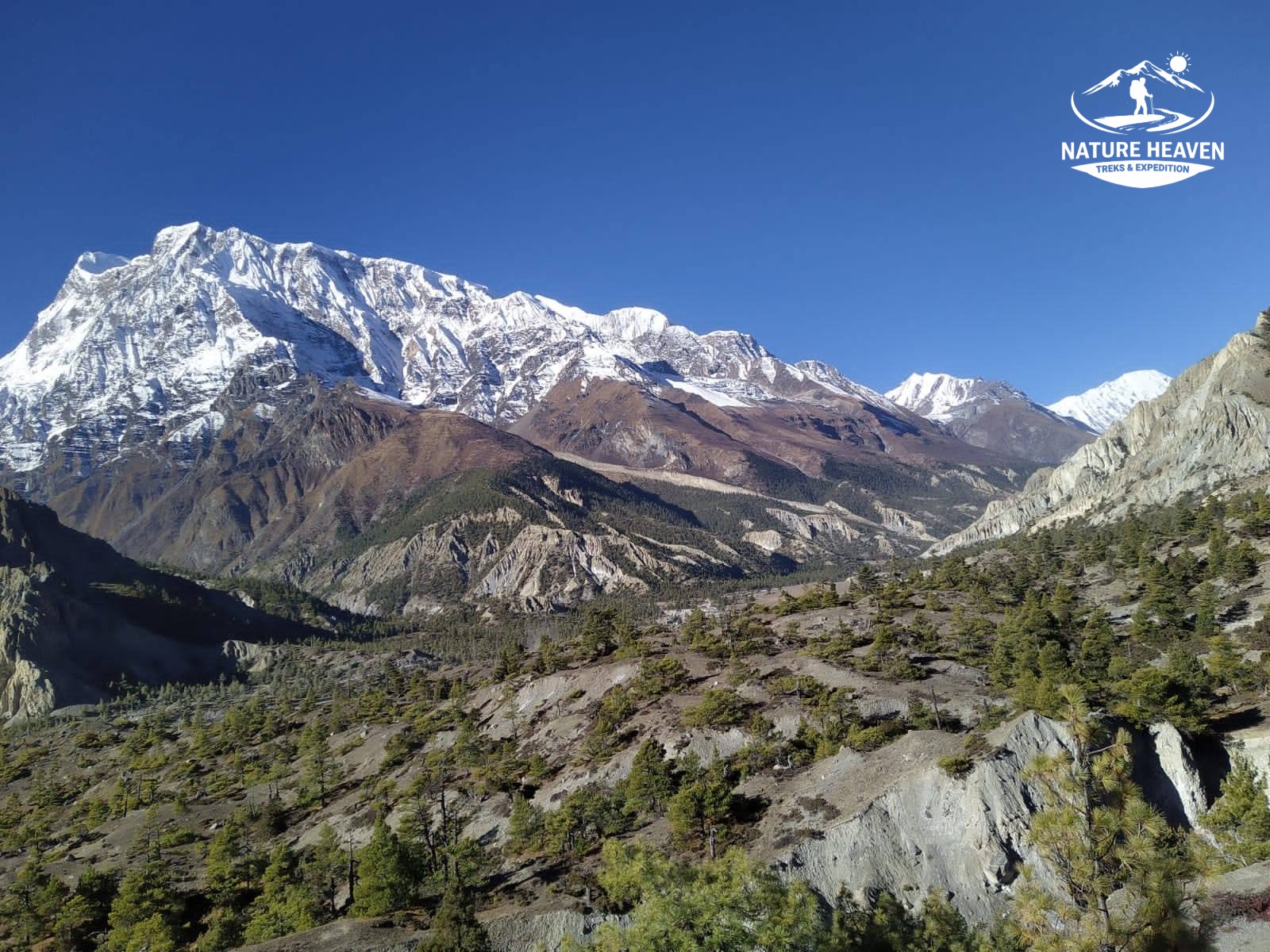
Trek Highlights
- Journey deep into the remote, restricted Narphu Valley, one of the last hidden corners of the Nepalese Himalayas near the Tibetan border.
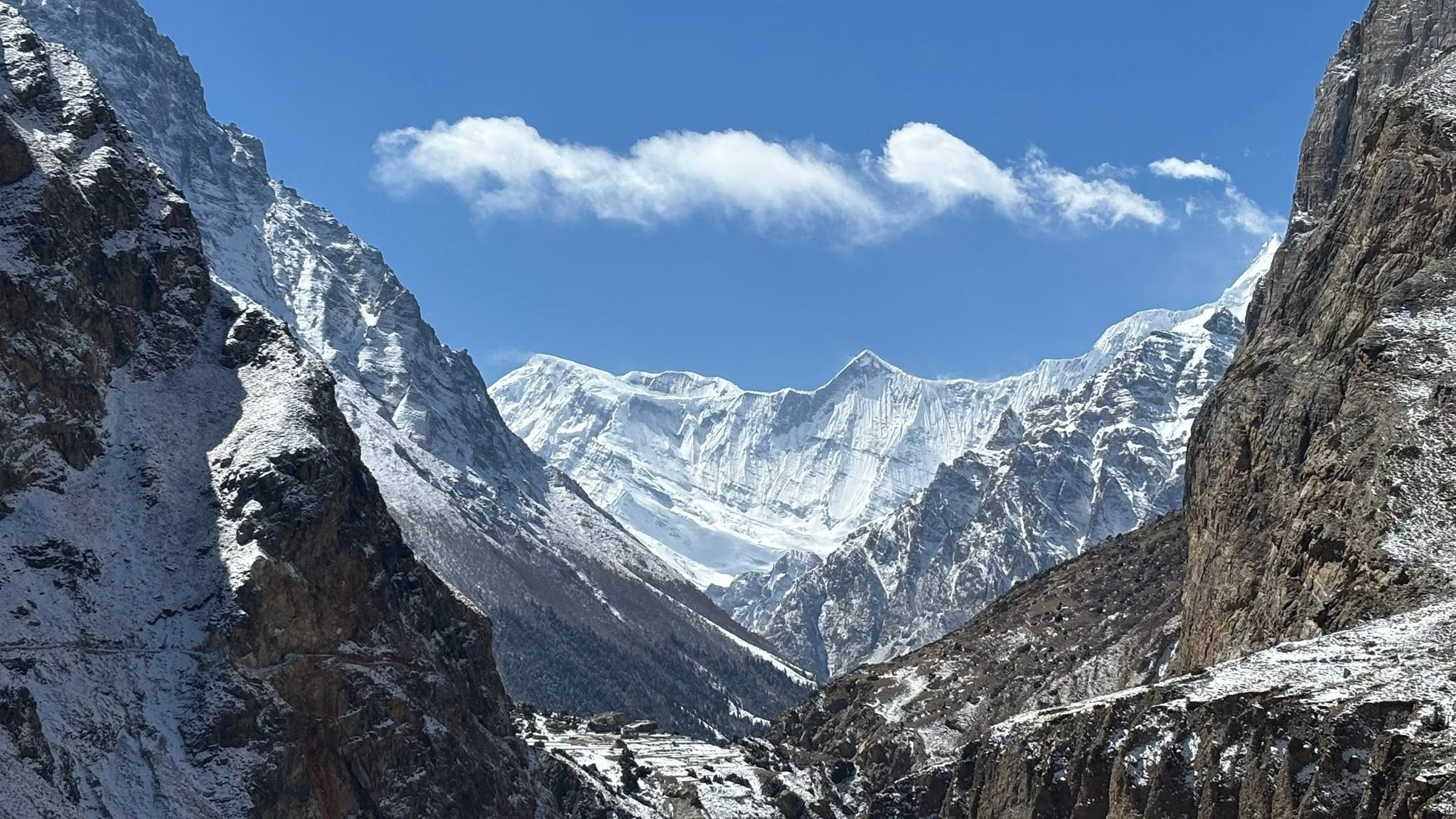
- Cross the dramatic Kang La Pass (5,320m), with sweeping views of Annapurna II, Gangapurna, Tilicho Peak, and the Chulu range.
- Conquer the legendary Thorong La Pass (5,416m), the famous high point of the classic Annapurna Circuit.
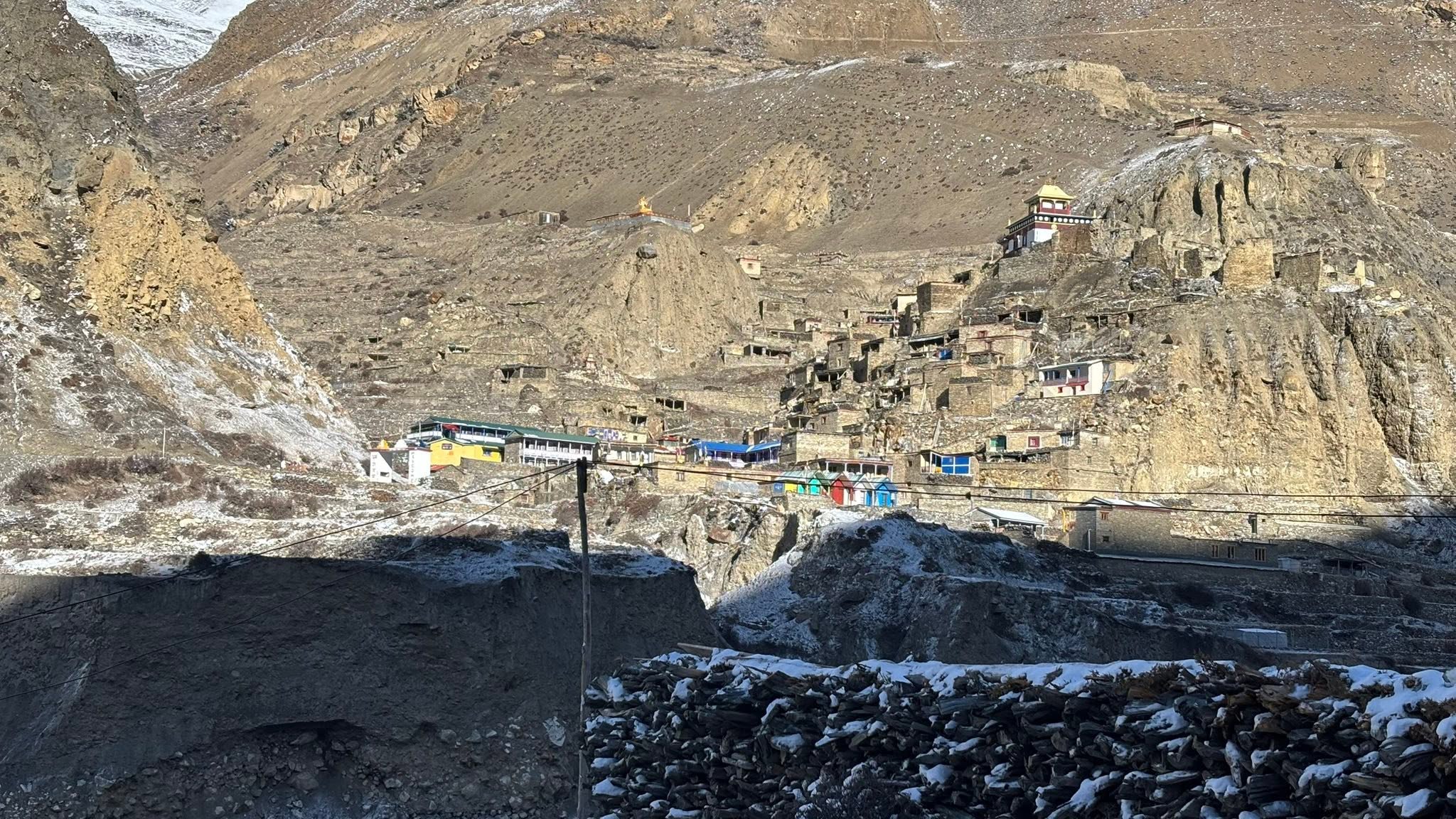
- Explore the ancient Tibetan-style villages of Phu and Nar, home to Khampa communities living almost unchanged for centuries
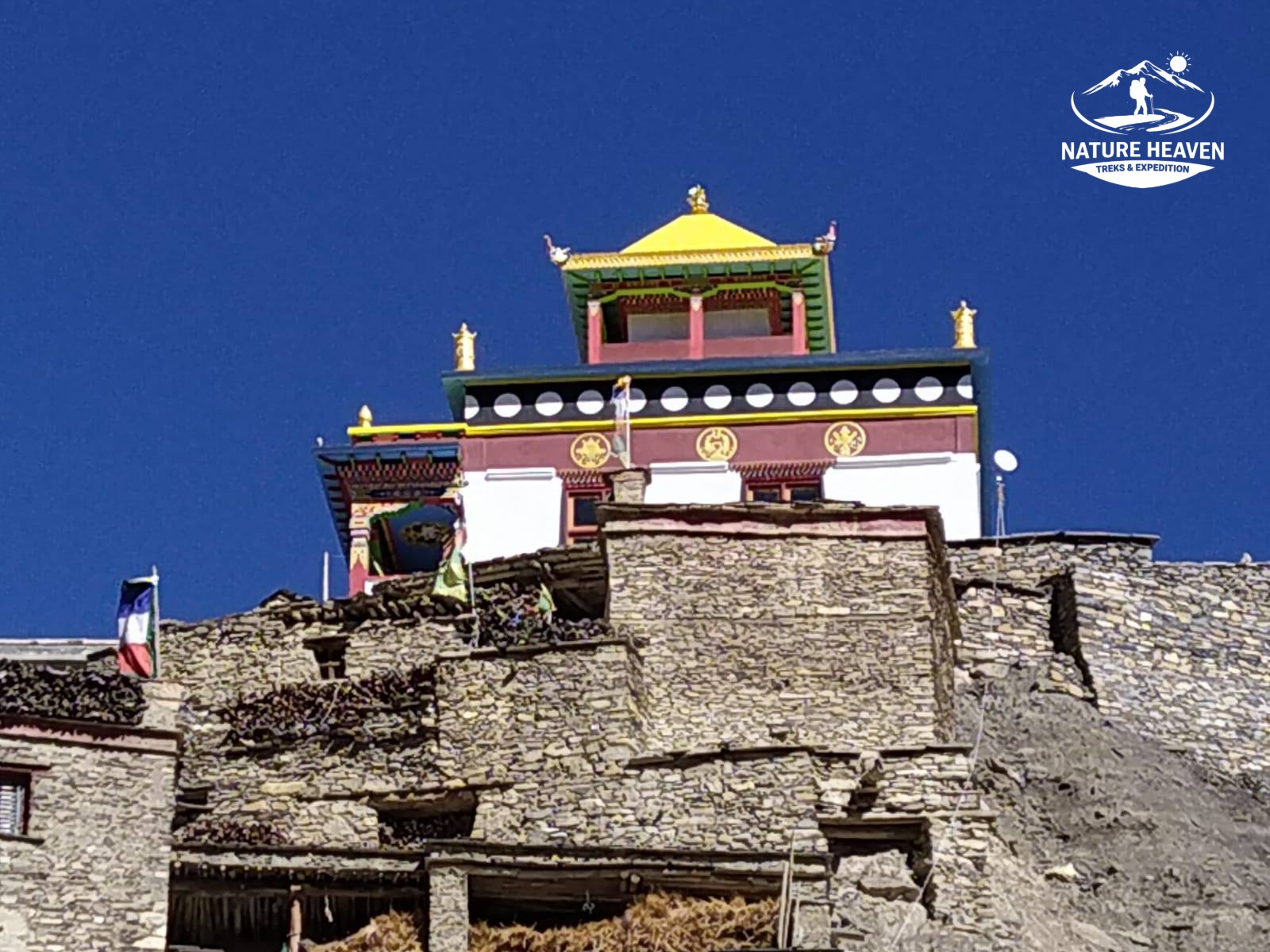
- Visit timeless Buddhist monasteries, including the beautiful Tashi Lhakhang Gompa near Phu village.
- Trek through a striking high-altitude desert landscape of deep gorges, eroded cliffs, and wind-carved rock formations.
- Follow an off-the-beaten-path trail far from the crowds, branching away from the busy Annapurna Circuit at Koto.
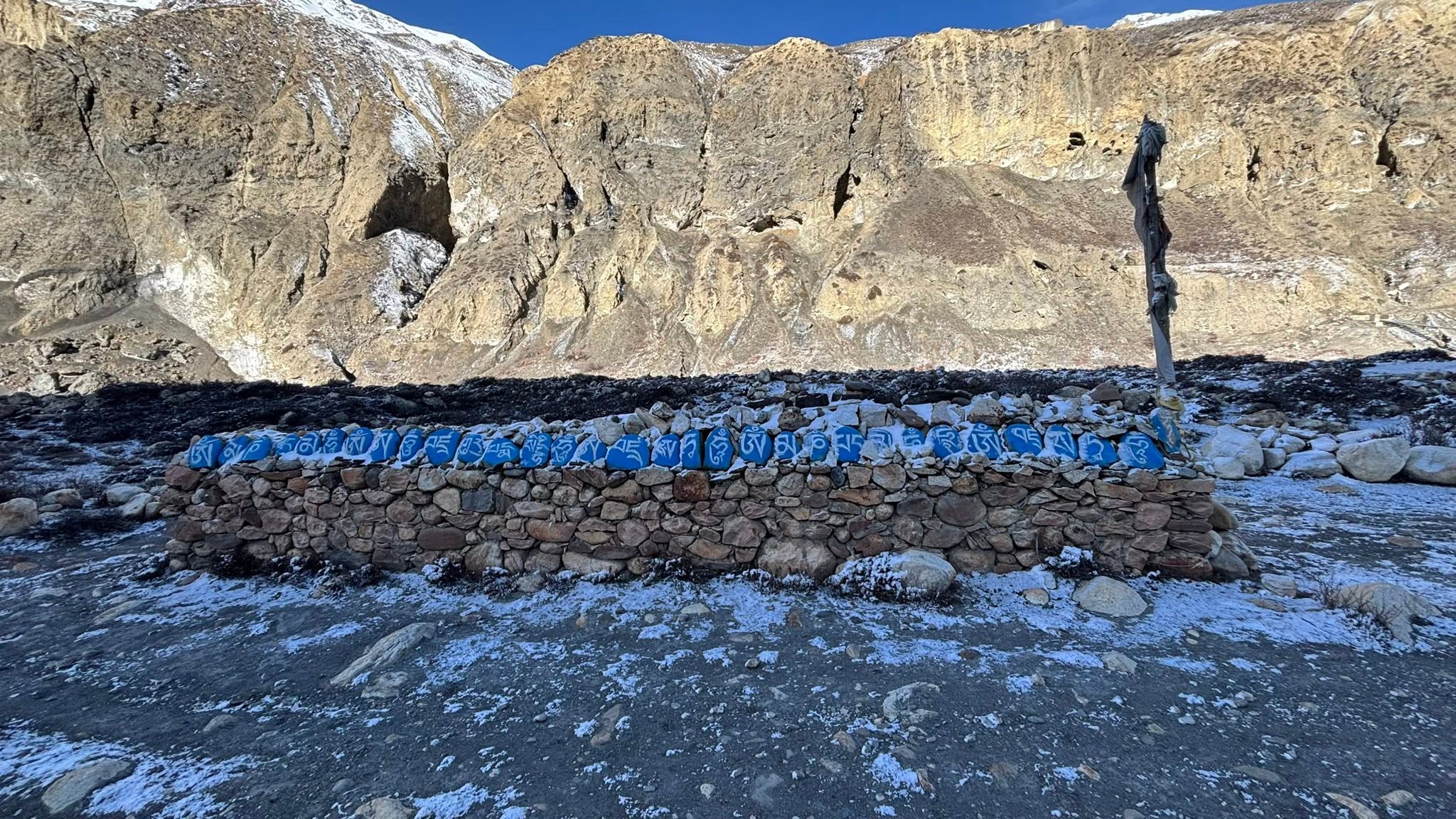
- Experience authentic Tibetan-influenced culture, with mani walls, chortens, prayer flags, and ancient stone houses.
- Enjoy close-up views of Himlung Himal, Kang Guru, Pisang Peak, and the distant Manaslu massif.
- Cross dramatic suspension bridges, narrow river gorges, and forests of pine and juniper in the lower valley.
- Descend to the sacred pilgrimage site of Muktinath, holy to both Hindus and Buddhists.
- Combine two spectacular high passes Kang La and Thorong La in a single epic Himalayan adventure.
- Trek within the Annapurna Conservation Area, Nepal’s largest protected area, rich in wildlife and Himalayan flora.
- Spend nights in remote villages above 4,000 meters, soaking in the silence and beauty of the high Himalaya.
- Complete one of Nepal’s finest restricted-area treks, blending wild scenery, rich culture, and genuine adventure.
Trip Overview
The Narphu Valley Trek is one of the most remote and rewarding adventures in Nepal, leading you into a hidden, restricted region tucked between the Annapurna and Manaslu ranges, close to the Tibetan border. Branching away from the popular Annapurna Circuit at the village of Koto, the trail enters the spectacular Narphu Valley, a wild landscape of deep gorges, high desert plateaus, and ancient Tibetan-style villages that few travelers ever reach.
The journey winds upward through pine and juniper forests, crossing suspension bridges and narrow river canyons before opening into the high, dry landscape of the upper valley. Here you reach the medieval villages of Phu and Nar, where Khampa communities of Tibetan origin still live by herding, farming, and Buddhist tradition, surrounded by chortens, mani walls, and weathered monasteries that have stood for centuries.
From Nar, the trek climbs to its first major challenge, the Kang La Pass (5,320m), which offers breathtaking views of Annapurna II, Gangapurna, Tilicho Peak, and the Chulu peaks before descending into the Manang Valley to rejoin the Annapurna Circuit. The adventure then continues over the iconic Thorong La Pass (5,416m), the highest point of the trek, before descending to the sacred temple of Muktinath.
This is a moderate-to-challenging trek best suited to reasonably fit walkers who are comfortable with long days, high altitude, and basic teahouse accommodation. Because Narphu is a restricted area, the trek requires special permits, a minimum of two trekkers, and a licensed guide. Its remoteness, dramatic scenery, and living Tibetan culture are exactly what make it so special.
Whether you are researching the Narphu Valley Trek cost, itinerary, difficulty, permits, or best time to visit, this 15-day journey across two high Himalayan passes remains one of the most authentic and unforgettable trekking experiences in Nepal.
Narphu Valley Transport Information
Kathmandu to Koto
The Narphu Valley Trek begins with a long, scenic drive from Kathmandu to Koto (2,600m), the gateway to the restricted valley. The route follows the Prithvi Highway to Besisahar, then continues by jeep along the rough mountain road through Dharapani and Chame in the Manang district. The full journey takes around nine to ten hours, passing terraced farmland, river valleys, and dramatic mountain scenery.
Entering the Restricted Valley
From Koto, the walking begins as the trail branches north off the Annapurna Circuit and enters the restricted Narphu Valley. From this point, your special permits are checked at the entry post, and the route leads through forests, gorges, and remote settlements toward Meta, Phu, and Nar. There is no road access inside the valley, which is part of what keeps it so wonderfully unspoiled.
Returning from the Trek
After crossing the Kang La and Thorong La passes, the trek descends to Muktinath and Jomsom. From Jomsom you take a short, scenic mountain flight to Pokhara, or a jeep along the Kali Gandaki valley, before continuing back to Kathmandu by flight or tourist bus. Please note that mountain flights are weather-dependent and may occasionally be delayed, so a little flexibility in your schedule is always wise.
Online Trip Briefing
After receiving your booking deposit and required documents, Nature Heaven Treks and Expedition will arrange a personalized online briefing via WhatsApp and Email. We will explain your trek itinerary, packing list, Everest trekking weather, altitude preparation, and answer all your questions. Our expert team ensures you are fully prepared, confident, and ready for an unforgettable trekking adventure in Nepal.
Photo Gallery
Plan Your Trek Schedule
Pick Your Start Date
Click any date below to select your departure day. The calendar will automatically highlight your full 17-day trip window. Use the arrows to browse months.
Trek Experience Video
Detailed Itinerary
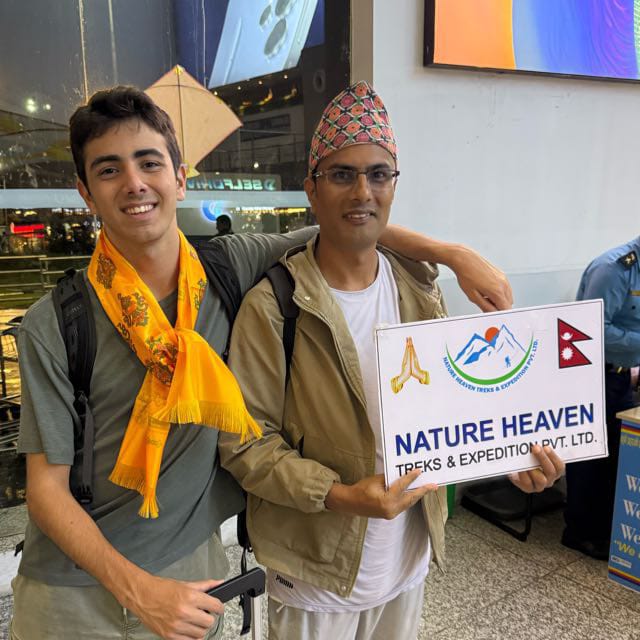
Upon arrival, our team, identifiable by our company banner, will greet you at the terminal gate. They will assist you with your luggage and ensure a comfortable transfer to your hotel in a private vehicle. Depending on your arrival time, you will have a chance to rest. Later in the evening, join us for a welcome dinner with the Nature Heaven Treks and Expedition team amid the colorful atmosphere of Thamel, along with a pre-trek briefing.
What is Included in This Package
Transportation
- Kathmandu to Koto by private vehicle and shared jeep (via Besisahar and Chame)
- Jomsom to Pokhara mountain flight, and Pokhara to Kathmandu by flight or tourist bus
- Private airport pick-up and drop-off service in Kathmandu
Accommodations
- Teahouse, guesthouse, and monastery-lodge accommodation during the trek (twin-sharing)
- 2 nights’ hotel accommodation in Kathmandu on a bed-and-breakfast basis
- 1 night’s hotel accommodation in Pokhara on a bed-and-breakfast basis (if required by schedule)
Food & Drinks
- Full-board meals (breakfast, lunch, and dinner) during the trek
- Daily seasonal fresh fruits where available
- Water purification tablets for safe drinking water
- Welcome and farewell dinners in Kathmandu
Guide & Porter
- Licensed, experienced, English-speaking trekking guide
- 1 assistant guide for groups above 8 trekkers
- Porter service (1 porter for every 2 trekkers, carrying up to 18 kg total)
Permits & Fees
- Narphu Valley Restricted Area Permit (RAP)
- Annapurna Conservation Area Project (ACAP) entry permit
- All applicable local and government taxes
What is Excluded from This Package
Accommodations
- Hotel stays in Kathmandu before the official trek start date
- Extra nights in Kathmandu or Pokhara due to early arrival, late departure, or itinerary changes
Guide & Porter Tips
- Tips for guides and porters (recommended but not mandatory)
Personal Expenses & Gear
- Nepal tourist visa on arrival at Tribhuvan International Airport
- Personal travel insurance covering high-altitude trekking and emergency evacuation (mandatory)
- Snacks, bottled water, tea/coffee, soft drinks, alcohol, and hot showers
- Wi-Fi, phone calls, and battery charging fees
- Extra porter charges (if required)
- Souvenirs and shopping items
- Personal trekking clothing and equipment
Other Exclusions
- International airfare to and from Kathmandu
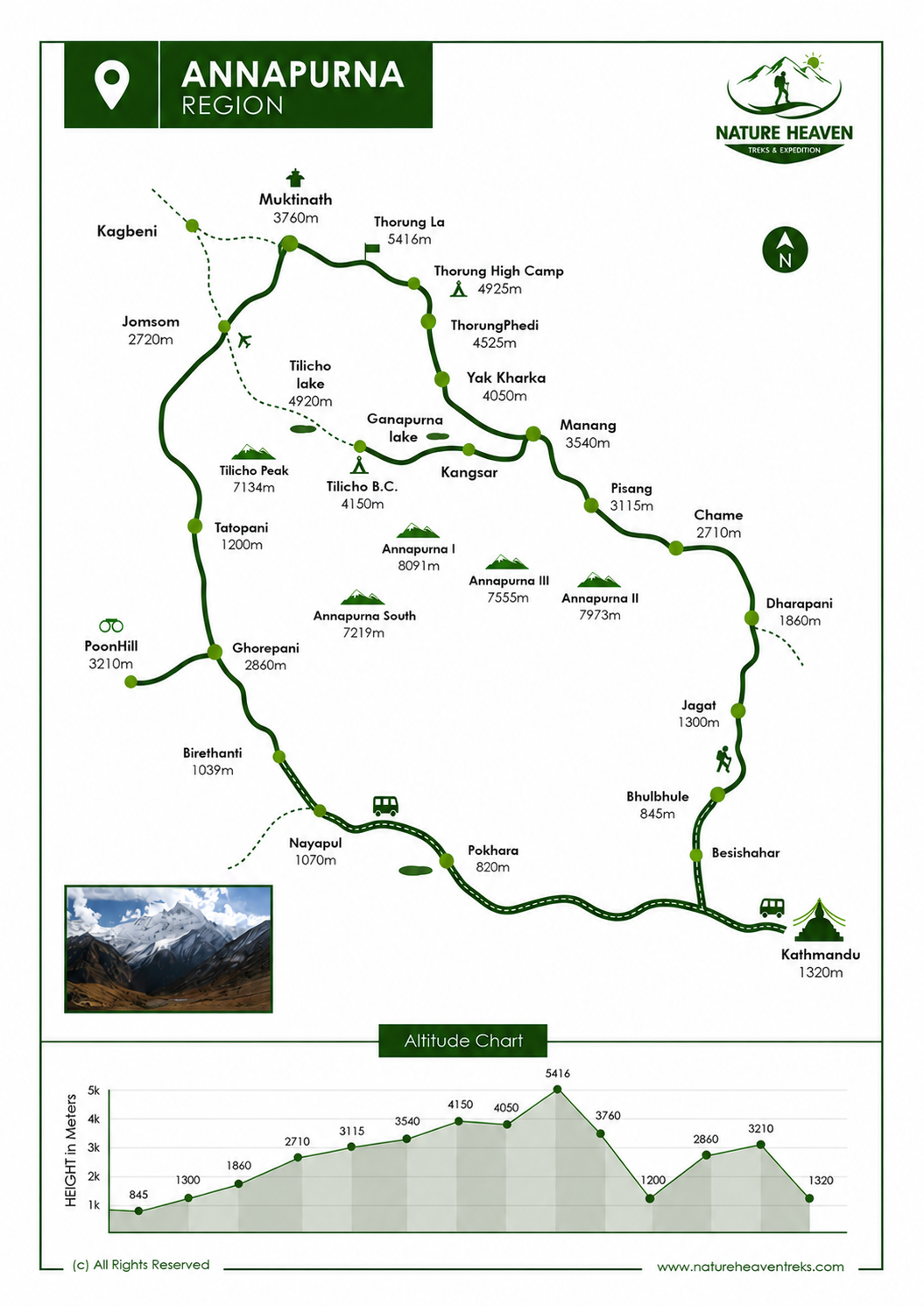
Trek Route Map
Required Equipment List
Head and Face Essentials
Upper Body Clothing
Handwear
Lower Body
Footwear
Backpack, Support & Sleeping Gear
Electronics & Important Documents
Toiletries & Personal Care Items
Medications & First Aid
Optional Items
Narphu Valley Trek - 17 Days — Important Trip Info
Your Narphu Valley Trek begins with your arrival in Kathmandu, the bustling capital of Nepal and the gateway to the Himalayas. Most international travelers land at Tribhuvan International Airport, the country’s main international airport.
Upon arrival, our team will warmly welcome you and assist with airport transfers, trek documentation, and final trip preparations. Kathmandu offers a fascinating blend of ancient culture, vibrant markets, historic temples, and UNESCO World Heritage Sites, providing the perfect introduction to Nepal before your adventure.
Because Narphu is a restricted area, we recommend arriving at least one or two days before departure. This allows time to rest after your international flight, complete the special permit process, carry out final gear checks, and enjoy a comprehensive pre-trek briefing so you are fully prepared for the journey ahead.

Before and after your trek you will stay in comfortable accommodation in Kathmandu and Pokhara, ranging from budget-friendly guesthouses to boutique and luxury hotels. Most hotels offer modern facilities such as Wi-Fi, private rooms, hot showers, restaurants, luggage storage, and transfer services.
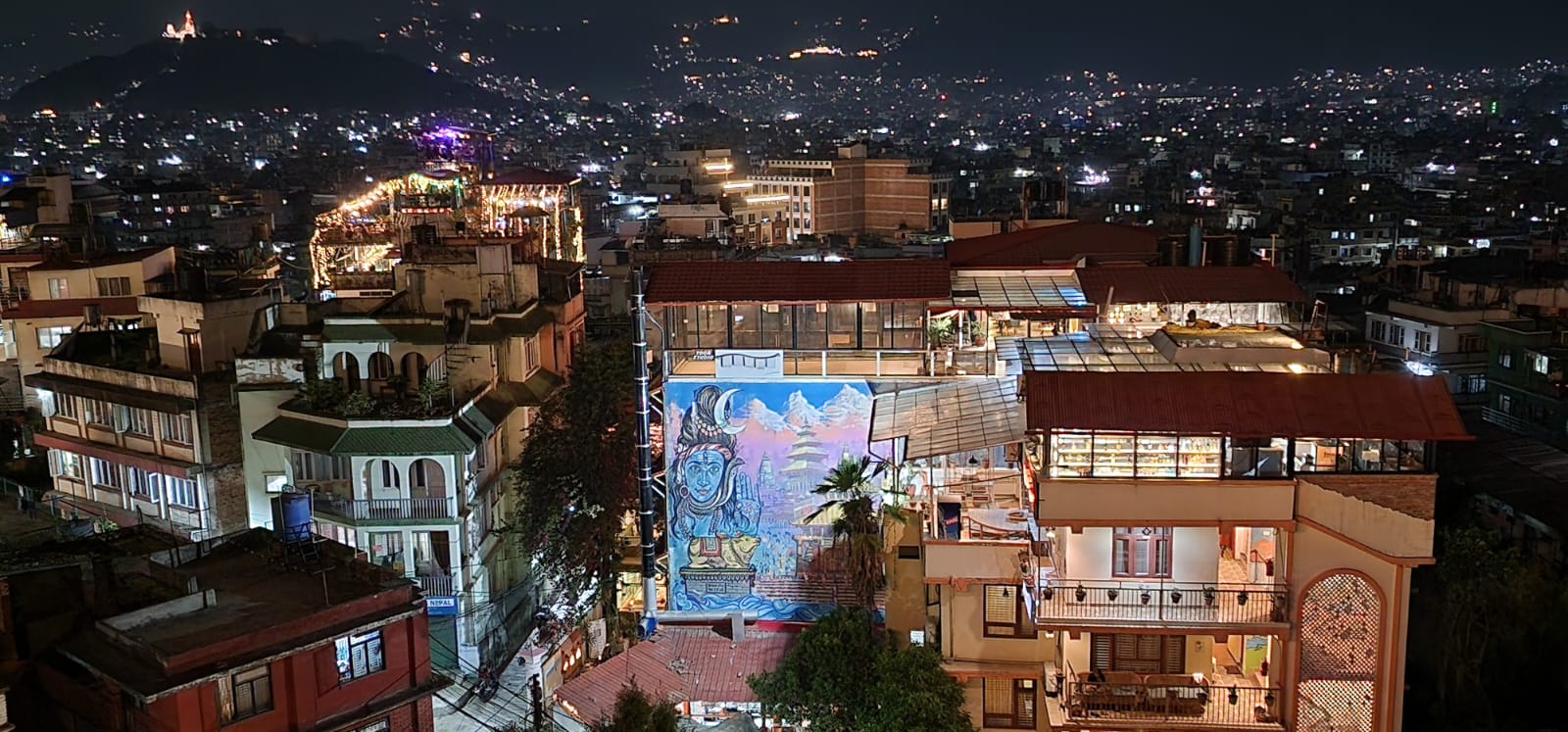
In Kathmandu, the most popular area for trekkers is Thamel, the lively tourist hub known for its trekking-gear shops, restaurants, and atmosphere. Along the Narphu trail, however, accommodation is far simpler. Lodging is in basic local teahouses, family guesthouses, and even a monastery lodge at Nar Phedi, reflecting the remote nature of the valley.
Rooms are usually simple twin-share spaces with shared bathrooms, warm communal dining areas, and limited facilities. This authentic, rustic style of accommodation is part of the charm of trekking in one of Nepal’s most untouched regions.
The Narphu Valley takes its name from its two main villages, Nar and Phu, ancient settlements inhabited by people of Tibetan origin who have lived here for centuries. Long closed to outsiders, the valley was only opened to trekkers in 2003 and remains a controlled, restricted region to protect its fragile environment and unique culture.
The trail follows old trans-Himalayan trade and herding routes between Nepal and Tibet, passing chortens, mani walls, and monasteries that speak of a deeply Buddhist way of life. Branching off the Annapurna Circuit at Koto, it offers a rare combination of dramatic wilderness, living culture, and two classic high passes.
Today the Narphu Valley Trek is regarded as one of the finest off-the-beaten-path adventures in Nepal, ideal for experienced and adventurous trekkers seeking solitude, scenery, and an authentic Himalayan experience away from the crowds.
The Narphu Valley lies in the Manang district of north-central Nepal, within the vast Annapurna Conservation Area and close to the Tibetan border. Sandwiched between the Annapurna and Manaslu ranges, it is a high, dry valley that sits partly in the rain shadow of the Himalaya, giving it a stark, Tibetan-plateau character.
As trekkers climb from the forested lower gorges up to Phu and Nar and over the high passes, the landscape transforms from green pine and juniper woodland into a world of eroded cliffs, barren ridges, glacial valleys, and towering snow peaks.
Major Geographical Highlights
• Thorong La Pass – 5,416 meters, the highest point of the trek and one of the most famous passes in Nepal.
• Kang La Pass – 5,320 meters, a dramatic high crossing linking the Narphu Valley with the Manang valley.
• Annapurna II – 7,937 meters, a towering peak seen along the route and from Kang La.
• Tilicho Peak and Gangapurna – striking snow peaks visible across the Manang valley.
• Himlung Himal – 7,126 meters, rising above Phu village near the Tibetan frontier.
• Pisang Peak and the Chulu peaks – popular trekking peaks framing the upper valley.
Together with deep river gorges, suspension bridges, ancient villages, and high desert scenery, these features create one of the most spectacular and varied trekking landscapes in the Himalaya.
The cultural heart of the trek lies in the medieval villages of Phu and Nar, home to Khampa communities of Tibetan descent. Set among barley fields, stone walls, and grazing yaks, these settlements have preserved a traditional Buddhist way of life that has changed little over the centuries.
The people of Narphu are renowned for their resilience, warmth, and deep spiritual devotion. Trekkers can watch daily life unfold around the fields and homes, see traditional dress and customs, and experience the genuine hospitality of one of Nepal’s most isolated communities.
Cultural Highlights of the Trek
• Phu and Nar Villages – ancient Tibetan-style settlements with stone houses and terraced fields.
• Tashi Lhakhang Gompa – a revered monastery near Phu with beautiful mountain surroundings.
• Mani Walls and Chortens – sacred Buddhist structures lining the trails throughout the valley.
• Living Heritage – a rare chance to experience authentic, traditional Himalayan village life.
Buddhism shapes every part of life in the Narphu Valley, and the trek is dotted with monasteries, prayer wheels, and fluttering prayer flags. The most famous is the Tashi Lhakhang Gompa near Phu, considered one of the most blessed monasteries in the region and a peaceful place of pilgrimage.
At Nar Phedi, trekkers may even stay overnight at a working monastery, sharing simple meals and witnessing the daily rituals of monastic life. These spiritual sites, combined with the chortens and mani walls along the trail, give the trek a profound and contemplative atmosphere found in few other places.
The two great high passes are the physical highlights of the Narphu Valley Trek and demand respect, preparation, and good acclimatization.
Kang La Pass (5,320m)
The Kang La connects the remote Narphu Valley with the Manang valley and the Annapurna Circuit. The climb is steep and the air thin, but the reward is a magnificent panorama of Annapurna II, Gangapurna, Tilicho Peak, and the Chulu range before a long descent to Ngawal.
Thorong La Pass (5,416m)
The Thorong La is the highest point of the trek and one of the most celebrated passes in the Himalaya. Crossed in the early morning hours, it offers vast mountain views in every direction before the long, dramatic descent to the sacred valley of Muktinath.
Narphu is an officially restricted area, so trekking here is only permitted with a licensed guide, a minimum group of two trekkers, and a special Restricted Area Permit. These rules protect the region’s fragile culture and environment, and they also greatly enhance your safety and experience.
Benefits of Trekking with a Professional Guide
• Local Knowledge – guides share insights into the culture, history, and nature of the Narphu Valley.
• Route Navigation – guides keep you on the correct trail across remote and sometimes unmarked terrain.
• Health Monitoring – guides watch for signs of altitude sickness and manage a safe pace and schedule.
• Emergency Support – in case of illness, injury, or bad weather, guides coordinate immediate assistance.
• Logistical Management – guides handle accommodation, transport, permits, and daily operations so you can simply enjoy the journey.
Because Narphu is remote, food choices are simpler than on busier trekking routes, but the village teahouses still serve hearty, freshly cooked meals that provide plenty of energy for long days on the trail.
Popular Food Options
• Dal Bhat (the classic and highly recommended trekking meal, often with free refills)
• Fried rice, noodles, and pasta
• Tibetan bread, momos (dumplings), and pancakes
• Soups, potatoes, and eggs
• Seasonal vegetables and local specialties
Popular Beverages
• Tea (black, milk, and herbal varieties), including local butter tea
• Coffee and hot chocolate
• Hot lemon and ginger tea
Drinking Water
Safe drinking water is available along the route via boiled or filtered water, supported by purification tablets. Staying well hydrated is especially important at high altitude. Using a refillable bottle also helps reduce plastic waste in this pristine region.
The Narphu Valley Trek reaches high altitudes, with two passes above 5,300 meters, so health and safety require careful attention. Altitude sickness (Acute Mountain Sickness) is the main concern, which is why the itinerary includes acclimatization days and a gradual ascent profile.
Staying Healthy on the Trail
• Ascend slowly and follow the acclimatization days built into the itinerary.
• Drink plenty of water and eat well to keep your energy and hydration up.
• Wear good trekking boots and use trekking poles on the steep climbs and descents.
• Tell your guide immediately if you feel unwell, dizzy, or short of breath.
• Consider carrying altitude medication such as Diamox after consulting your doctor.
With sensible pacing, good hydration, and an experienced guide, most fit trekkers complete the high passes safely and comfortably.
Following a few simple guidelines helps ensure a smooth, safe, and enjoyable Narphu Valley Trek.
Essential Safety Guidelines
• Trek with licensed guides – required by law in this restricted area and essential for safety and navigation.
• Acclimatize properly – respect the rest days and never rush the ascent to the high passes.
• Stay hydrated – drink plenty of water throughout each day at altitude.
• Dress in layers – conditions change quickly, and high passes can be very cold and windy.
• Use trekking poles – they help greatly on the long climbs and steep descents.
• Follow your guide’s advice – especially regarding weather, timing, and pass crossings.
Altitude is the most important factor on this trek, as the route climbs to 5,416 meters at Thorong La and 5,320 meters at Kang La. To trek safely at these heights, the body needs time to adjust to the reduced oxygen in the air.
The 15-day itinerary is carefully designed with acclimatization days in Phu and Nar and a gradual ascent profile, allowing your body to adapt before the major pass crossings. Even so, it is essential to walk at a steady pace, stay well hydrated, eat properly, and inform your guide at the first sign of any altitude symptoms. This careful approach is exactly what makes the high passes achievable and enjoyable.
Although remote, the Narphu region has a small but growing network of teahouses and lodges, and experienced local support makes the trek safe for well-prepared travelers. The trails are clear but rugged, and villages are spaced further apart than on busier routes.
Facilities Available in Most Villages
• Lodges and Teahouses – simple but comfortable accommodation with warm dining halls.
• Charging and Hot Showers – available in some villages, usually for a small extra fee and not guaranteed.
• Communication Services – mobile and internet coverage is limited and unreliable in the upper valley.
• Emergency Support – your guide can coordinate rescue and evacuation if ever required.
With careful planning, an experienced team, and a flexible attitude, the Narphu Valley Trek is a safe and deeply rewarding adventure.
Kathmandu to the Trailhead
You travel from Kathmandu to Koto by private vehicle to Besisahar, then by shared jeep along the rough mountain road through Dharapani and Chame. The full journey takes around nine to ten hours and offers scenic views of rivers, hills, and mountains.
Returning from the Trek
After crossing Thorong La and reaching Muktinath, you drive to Jomsom and take a short mountain flight to Pokhara, then continue to Kathmandu by flight or tourist bus.
Note on Mountain Flights
Domestic flights, especially the Jomsom–Pokhara sector, are scenic but weather-dependent, so a small amount of flexibility in your schedule is always wise.
Because the trek reaches high, cold passes, good gear is essential for comfort and safety:
• Sturdy, broken-in trekking boots with good grip for rocky and snowy terrain
• Warm down jacket and insulating layers for cold mornings, evenings, and the high passes
• Four-season sleeping bag (provided if needed) for cold nights at altitude
• Trekking poles to help on the long climbs and steep descents
• Waterproof jacket and trousers, plus a backpack with rain cover
• Warm hat, gloves, sun hat, sunglasses, and high-factor sunscreen
• Headlamp for the pre-dawn pass crossings, and micro-spikes in case of snow
With warm, practical gear and reliable boots, trekkers can fully enjoy the wild beauty of the Narphu Valley.
The Narphu Valley Trek is rated moderate to challenging, with long days and two high passes, so good fitness will make it far more enjoyable:
• Regular hiking, ideally on hills and varied terrain, in the months before your trip
• Cardiovascular training such as running, cycling, or swimming to build stamina
• Stair climbing and hill repeats to prepare for long ascents and descents
• Strength work for the legs and core to handle rugged ground and a daypack
With a few weeks of focused preparation, fit and determined trekkers can complete and thoroughly enjoy this rewarding Himalayan adventure.
The Narphu Valley sits partly in the rain shadow of the Himalaya, so it is drier than many regions, but conditions still change sharply with altitude, season, and time of day.
Spring (March–May)
• Clear skies and warming temperatures, with blooming rhododendrons in the lower forests
• Excellent mountain visibility and pleasant daytime walking conditions
• One of the best seasons for the trek and the high passes
Autumn (September–November)
• Stable, dry weather and superb visibility
• Crisp, clear mountain panoramas and ideal trekking temperatures
• The most popular and reliable season for crossing the high passes
Winter (December–February)
• Cold but often clear, with crisp views and quiet trails
• Heavy snow can block the Kang La and Thorong La passes
• Suitable only for experienced trekkers with proper gear
Monsoon (June–August)
• The lower approach can be wet, though Narphu itself lies in a rain shadow
• Lush lower valleys but possible leeches and slippery trails on the approach
• A possible season for this trek thanks to the drier upper valley, with some flexibility needed
Overall, the best trekking conditions are during spring and autumn, when the weather is stable and the high passes are most reliably open.
The official currency of Nepal is the Nepalese Rupee (NPR), which is used throughout the Narphu and Annapurna regions for all local transactions.
Useful Payment Tips
• Carry enough cash from Kathmandu – there are no ATMs in the Narphu Valley.
• ATM availability – ATMs are found in Kathmandu and Pokhara but not on the trail.
• Card payments – accepted in city hotels and agencies but not in mountain teahouses.
• Cash-based villages – carry enough NPR for food, drinks, charging, showers, and small purchases.
As a restricted area, the Narphu Valley requires special permits in addition to the standard conservation-area permit. All permits are arranged by your trekking agency, and a licensed guide and a minimum of two trekkers are mandatory.
Required Permits
Narphu Valley Restricted Area Permit (RAP)
This special permit is mandatory to enter the restricted Narphu Valley. The fee is higher in the peak months of September to November and slightly lower from December to August, with an additional charge for each extra day spent in the restricted zone.
Annapurna Conservation Area Project (ACAP) Permit
This permit is required for the whole route, as the trek lies within the Annapurna Conservation Area. The fee supports conservation of the region’s ecosystems, wildlife, and trails, as well as local community development.
Important Information
• Permit fees are set by the Nepal government and may change periodically.
• Restricted Area Permits can only be issued through a registered trekking agency, not to individuals.
• You must carry your permits at all times, as they are checked at entry and exit posts.
Most international travelers can easily obtain a tourist visa on arrival at Tribhuvan International Airport, making entry into Nepal simple and convenient.
Available Tourist Visa Options
• 15 Days Tourist Visa – suitable only for shorter trips
• 30 Days Tourist Visa – ideal for the 15-day Narphu Valley Trek with time to spare
• 90 Days Tourist Visa – best for extended travel in Nepal
Visa Requirements
• A passport valid for at least 6 months from the date of entry
• Recent passport-sized photographs
• Completed visa application form (available at the airport or online)
• Applicable visa fee (payable in major foreign currencies)
Important Notes
• An original passport and visa are required to process the restricted-area permit.
• Carry some cash in USD or other major currencies for the visa payment.
• Immigration is usually smooth, but queues can be long during peak trekking seasons.
What our travellers say
“The Manaslu trek is incomparable. It's suitable as a first trek in the Himalayas — plenty of time for acclimatisation and such captivating views that spending time on "altitude sickness" would be a pity. And it's a special pleasure to walk with Krishna. He is a knowledgeable, reliable and brave guide, and a very pleasa…”
Kafle
Senior Himalayan Specialist
“Namaste! I have been guiding in the Himalayas for over 15 years. Contact me directly to customize your itinerary or check live trail conditions.”
Secure Booking System
Your checkout session is secure and encrypted by 256-bit SSL. Associated with TAAN, KEEP, NMA, and registered with Nepal Tourism Board.