
Langtang Valley Trek: A Complete Beginner's Guide
If you are planning your first trip to the Himalayas, this Langtang Valley Trek: A Complete Beginner's Guide will help you get started with confidence. Langtang Valley is one of the most beautiful and accessible trekking regions in Nepal, offering stunning mountain views, rich culture, and a shorter trail compared to some of the more famous routes. Whether you are a first time trekker or simply looking for a new adventure, this guide covers everything you need to know, from the best time to go to what to expect on the trail, so you can plan a trip that is safe, enjoyable, and unforgettable.
What Is the Langtang Valley Trek?
The Langtang Valley Trek takes you through one of the closest trekking regions to Kathmandu, making it a great choice for travellers who want a shorter but still rewarding trip. The trail passes through pine forests, small mountain villages, and open valleys, with views of snow capped peaks along the way.
This route is well known for its mix of natural beauty and cultural experience. You will pass through villages home to the Tamang community, who have their own unique traditions and Buddhist influences. This makes the trek not just a physical journey but also a chance to learn about local life in the mountains.
Why Choose Langtang for Your Next Adventure
Langtang is often recommended in any good travel guide for Nepal because it offers a great balance between challenge and accessibility. Unlike longer treks that take weeks to complete, Langtang can usually be done in about seven to twelve days, making it ideal for travellers with limited time.
For anyone chasing a true nature adventure, Langtang delivers with its dramatic landscapes, glacier views, and diverse wildlife, including the chance to spot red pandas in the forested areas. The trail also offers a quieter experience compared to some of the busier routes, since it sees fewer trekkers overall.
Best Time to Trek Langtang Valley
The best time to trek in Langtang Valley is during spring, from March to May, and autumn, from September to November. During these months, the weather is generally stable, skies are clearer, and the temperatures are more comfortable for walking.
Spring also brings blooming rhododendron forests, which add extra colour to the trail. Autumn offers crisp mountain air and some of the clearest mountain views of the year. Trekking during the monsoon season or deep winter is possible but comes with more challenges, such as heavy rain, leeches on lower trails, or heavy snow at higher altitudes.
Langtang Trek Difficulty and Fitness Level
One of the reasons Langtang is popular with beginners is that it is considered moderate in difficulty. You do not need previous high altitude trekking experience, but a reasonable level of fitness will make the trek more enjoyable.
Most days involve walking for around five to seven hours, with a mix of uphill and downhill sections. The highest point on the standard route usually sits around 3,800 to 4,300 metres, depending on your exact itinerary, so some altitude adjustment is needed but it is generally less extreme than treks that go much higher.
What to Expect on the Trail
The journey usually begins with a drive from Kathmandu to Syabrubesi, which serves as the starting point for the trek. From there, the trail follows the Langtang River, passing through forests and small settlements before opening up into the wider valley.
Along the way, you will stay in teahouses, which are small lodges run by local families. These offer basic but comfortable rooms, simple meals, and a chance to connect with other trekkers. As you continue further into the valley, the scenery becomes more dramatic, with views of peaks like Langtang Lirung, one of the most striking mountains in the region.
How Langtang Compares to Other Treks in Nepal
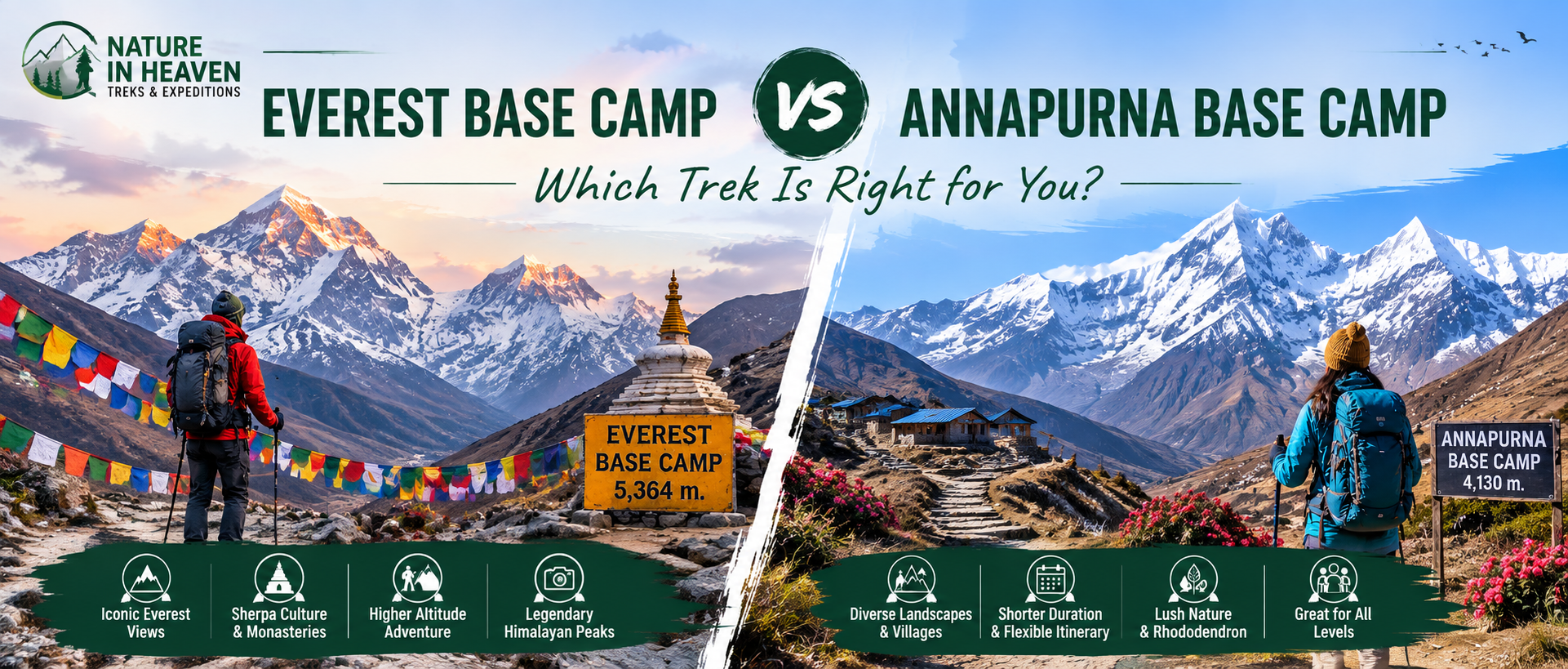
If you are choosing between different trekking regions in Nepal, it helps to understand how Langtang compares. Treks like Mount Everest base camp routes are longer and more physically demanding, often taking around twelve to fourteen days, with higher altitudes and a longer approach.
The classic Everest Three Passes Trek is a bucket list journey for many trekkers, but it requires more time, higher fitness levels, and greater altitude preparation. Similarly, the Annapurna Base Camp trek offers a slightly different landscape with a mix of subtropical forest and high mountain views, and it usually takes about seven to twelve days as well, making it a closer match to Langtang in terms of duration.
For those seeking something more remote and culturally rich, Upper Mustang offers a very different experience, with dry desert like landscapes and strong Tibetan influence. It usually requires a special permit and a bit more planning, but it rewards trekkers with a unique, less crowded route. Compared to these options, Langtang stands out as one of the most beginner friendly choices, especially for those with limited time or trekking experience.
Choosing the Right Trekking Company
Picking the right support for your trek can make a big difference to your overall experience. Working with the best trekking agency ensures you have proper guidance, safety support, and local knowledge throughout your journey, which is especially helpful if this is your first time trekking in Nepal.
A good agency will help arrange permits, provide an experienced guide, and offer advice on pacing and altitude management. This support can make the trek feel much more manageable, particularly for beginners who may be unfamiliar with high altitude conditions or basic trekking logistics.
Packing Essentials for Langtang Trek
Packing smart is important for a comfortable trek. Some key items to bring include sturdy trekking boots, layered clothing for changing temperatures, a warm sleeping bag, a reliable water bottle, and basic first aid supplies.
Since teahouses provide basic accommodation, it also helps to carry a few personal comfort items, such as a headlamp, snacks, and a light towel. Packing light but smart will make your daily walks more comfortable, especially on longer trekking days.
Conclusion
The Langtang Valley Trek offers a wonderful introduction to trekking in Nepal, combining beautiful scenery, rich culture, and a manageable difficulty level that suits beginners well. With the right preparation, proper gear, and support from an experienced trekking company, you can enjoy a safe and memorable journey through one of the Himalayas' most scenic valleys. Whether this is your first trek or simply your next adventure, Langtang is a destination well worth exploring.
Frequently Asked Questions
How many days does the Langtang Valley Trek take?
Most itineraries range from seven to twelve days, depending on the route and whether you include extra acclimatisation days or side trips within the valley.
Do I need previous trekking experience for Langtang?
No, Langtang is considered a good option for beginners. A reasonable level of fitness is helpful, but previous high altitude trekking experience is not required.
Is a permit required for the Langtang Valley Trek?
Yes, trekkers need a Langtang National Park entry permit and a TIMS card. These are usually arranged with the help of your trekking agency before you begin the journey.
What is the highest altitude reached during the trek?
Most standard Langtang itineraries reach an altitude of around 3,800 to 4,300 metres, depending on the specific route and any side trips included.
Is Langtang safer or easier than Everest Base Camp?
Langtang is generally considered easier due to its shorter duration and lower maximum altitude compared to Everest Base Camp. However, both treks still require proper preparation and awareness of altitude related risks.